▶ Listen to this episode · 1h 0m
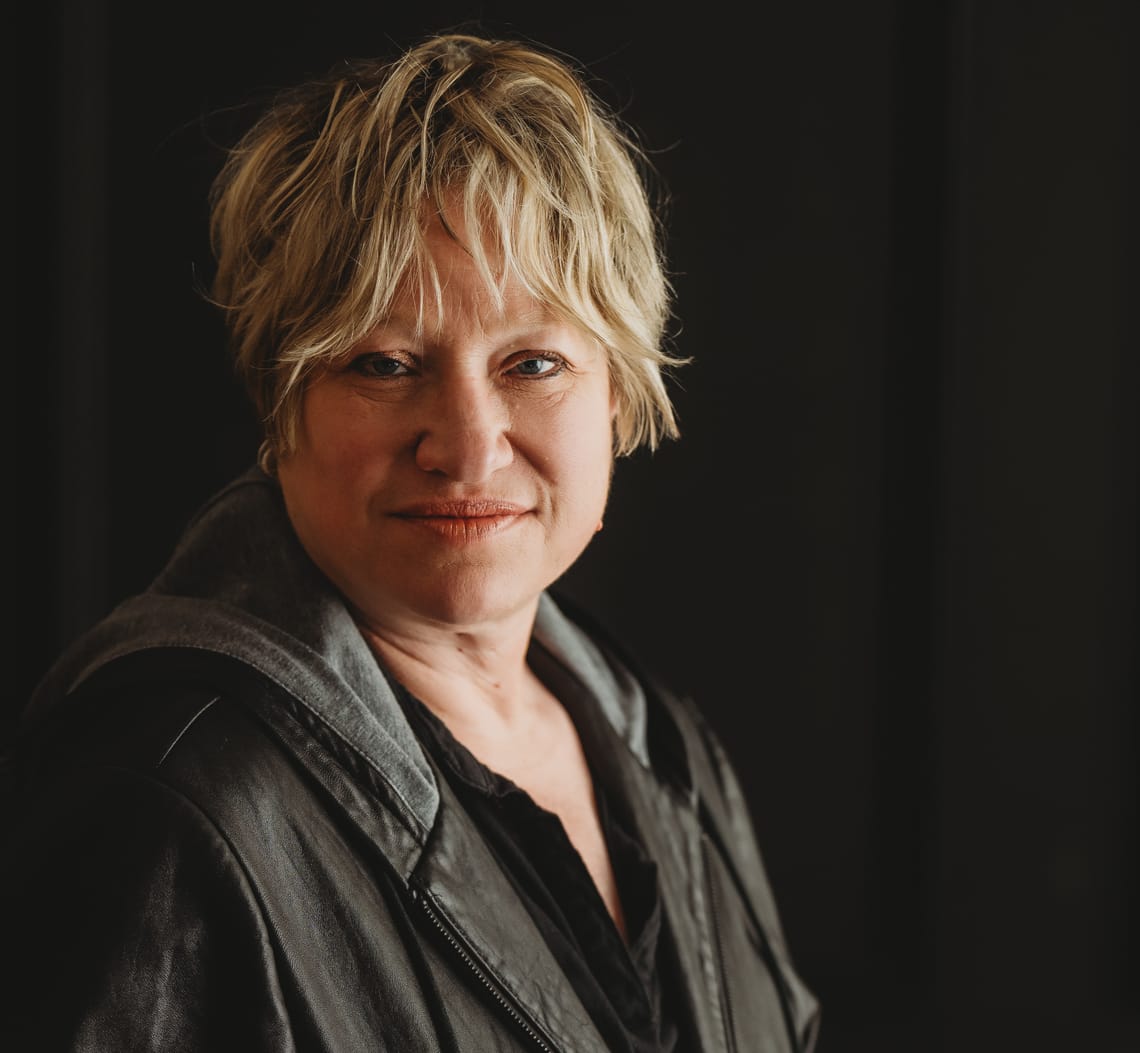
Elena Taylor spent twenty years in the theater as a playwright, director, and designer before she wrote her first novel in 2007. It took until 2016 to see a book in print, and by then she had learned the thing nobody tells you: there is no game plan. No book you can buy that lays out a novelist's career, because everybody's is different, and most of what happens is out of your hands.
Elena talks about the mistake she considers the largest of her career, and what it cost her to get out of it. She talks about the difference between being autonomous and being lonely, and locates loneliness somewhere unexpected. And she talks about her father, a law professor, who heard her say she was thinking about law school and told her the world does not need more attorneys.
Topics & Timestamps
(00:00) Where loneliness actually comes from
(01:01) Writing since she could hold a pencil
(02:20) Twenty years in the theater, a first book in 2016
(03:30) What she thought publication would be: a straight line up
(04:04) A book released in April 2020
(04:33) No game plan, and none of it in your control
(05:30) What she didn't know about being published
(06:11) The largest mistake of her career: no agent
(07:00) A disagreement over book three
(07:51) Getting the rights back, changing publishers
(08:42) A second agent, and what that did for her
(09:37) Awards, nominations, and Blood at number one
(10:07) "I'm not sure I'm allowed in the room"
(10:37) No boss's office, no performance review
(12:02) Why one reader saying "I want to read your book" is a win
(12:35) Tenacity over skill
(14:46) Autonomous versus lonely
(16:06) How loneliness changed as she got older
(17:06) A time she wasn't understood: "always"
(17:34) A book club, and two lines read aloud
(19:31) Social commentary nobody comments on
(21:17) Why forcing readers to understand turns them off
(22:41) What the reader brings to the book
(23:36) Gen X, benign neglect, and the Troubadour at fifteen
(25:30) What stays off social media
(27:28) "X class": esteem your income doesn't explain
(29:38) The romance of the writing life versus the day job
(30:49) The hardest conversation — as an editor, not a writer
(31:22) What the writer hears versus what you said
(33:15) "I can't care more than the writer"
(34:17) The hardest thing to hear: flat characters
(35:00) Two rejections in one day, exactly opposite
(37:03) "If it really hurts, it's probably true"
(38:37) Reading criticism for what's usable
(39:07) Twenty-four hours to let a bad review sting
(39:27) How much has been luck: "everything and nothing"
(41:18) The publisher who'd just signed a similar book
(42:04) Where luck was on her side: the drive itself
(43:27) What the life taught her about herself
(44:04) Bestselling friends in a permanent panic
(45:08) The Hartwell family motto
(46:11) What she still wants: an Edgar nomination
(47:38) Still to prove? Every single book
(49:10) Norman Maclean, and beauty outsiders never see
(50:12) First draft to finished shelf
(51:53) Her father: "the world needs more playwrights"
(53:16) Her mother, dementia, and a shelf of her books
(54:50) Anything that would make her walk away
(55:50) The biggest thing on her plate right now
(57:09) Why promoting a book is harder than writing one
(58:12) Have the books compensated for loss?
(59:11) The three legs of a life
Transcript
Elena Hartwell Taylor: I think where people get lonely is not a lack of interaction. I think loneliness comes when we're not understood. Which is why I think we can feel lonely when we're in a crowded room. I think it's why we can feel lonely as a writer, even if we're having success, if we feel like our books are not getting to our readers or a reader doesn't get Our books. I think that we feel lonely regardless of the number of people around us when we don't feel like someone gets us. That's where I think true loneliness happens.
Terry Heath: I'm Terry Heath, and I'm here today with Elena Taylor. Hi, Elena.
Elena Hartwell Taylor: Hi, Terry, good to see you.
Terry Heath: Good to see you. Elena, you've been a number one best-selling mystery short author. You've won some awards, you've been a finalist a few times. Take me back to the moment when you decided this is going to be what you what you did.
Elena Hartwell Taylor: wow, what a great question. I have been a writer since I could hold a pencil. Literally a pencil. I used to write stories when I was three, four years old. and so it sort of was always a part of my life. I really thought my day job was gonna be a professor. I thought I'd be a teacher like my dad. And so writing was something I always did, but it wasn't the forefront in a sense, right? I had I had other things. So in terms of saying, okay, I'm gonna put the writing first, I would say that was about two thousand and seven. That's when I wrote my first manuscript as a as a fiction writer. I was a playwright for twenty years. So I I was working in the theater. Yeah, I was working in the theater and I had plays produced and published and and other things. But again, like I was working as a director and working as a designer and working in education. And then I also wrote plays. And so, you know, that was tr true. And then in two thousand and seven I I I had always really wanted to be a novelist and I I wrote my first novel and that was in two thousand and seven and and it was a learning, you know, there's a learning curve. So I wrote a few more before my first book was published. And s and then once I started publishing in fiction, which my first book came out in 2016, then I shifted gears and was a writer first. And everything else was in support of that. And so the cr the art came as far back as I can remember. and then the business side and seeing myself as a career was probably twenty sixteen. So there's a lot of years in between those two things.
Terry Heath: What did you think it was going to be like when you got your first book published? What did you expect?
Elena Hartwell Taylor: Man, you know, we have all these fantasies. And I was with a small press, and I actually the that first series, I got the rights back and and put them back out with a different publisher. So not even my first publishing deal ended up being what I expected. you know, I think I think a lot of us sort of have this idea of, you know, that first book is published, our trajectory is straight up. It may be a long, slow slant. Right, but we feel like it's gonna be this sort of straight line. And what I learned instead is that it's fits and starts and ups and downs. And you know, the the pandemic hit me at a very I mean, not that it was good for anybody, but I had a book come out in April of twenty twenty and it just you know, April twenty twenty was a like the absolute worst month you could have a book come out. And so You know, that first book comes out and you think, I'm set. My my path is all forward. It's all gonna be great. And there are things that are great, but there are so many bumps in the road that you just don't see coming. And I think one of the hardest things about being a novelist is that there isn't a game plan. You can't buy a book that says this is your career path because there isn't one. Everybody's career is different. And so even if you are tremendous at craft and have a great voice and have a successful first book, there's just there's no way to know all the stuff that's gonna get thrown at you. Your agents are gonna die, your publisher is gonna go out of business, your you know, book is gonna have a bunch of money thrown at it by your publisher and it's gonna sales are gonna tank. Like you can't know any of those things because they're all out of your control. And I think the Biggest surprise with that first book coming out is how much I didn't know about what it means to be a published author. Like all of those things are, you know, I didn't know that you could, you know, leave a publisher and have your books come out elsewhere. I I I didn't realize how important agents were. when that first book came out, I did that unagented and and and I've come to realize, you know, having an agent is actually the best thing a writer can do, as a novelist.
Terry Heath: Paint us a picture where where you were when you had the first big bump in the road. You used that word.
Elena Hartwell Taylor: The first bump was I never should have just taken the first deal I was offered. I should not have gone out on submission to publishing houses. I should have, I should have. looked for an agent from the get go. And I didn't. And that was the largest mistake I think of my career. and and so as I got in, I realized, I don't have anybody on my side. I don't agree with the developmental editor at this publishing house I'm with. They're not going to support me in any kind of promotional way. Like I'm really on my own here. And so I didn't know when I did it that that was gonna be the biggest bump. But then what it became really obvious when I had a fair I had a huge disagreement with the developmental editor about the direction of of the third book in the series. And I was like, I can't I can't keep working like this. And that was the point where I got, you know decided an agent, I'm not doing another book without an agent and I'm moving to another publisher and I'm gonna do what I can to get the rights back and and all of those sorts of things. And so I was in my you know, my first book when I realized, I don't have any promotional support here. That I didn't see that coming. That's a bump. Right. and then it was, I this isn't a good fit for me with this publishing house. How do I get out of this? And how do I protect my work moving forward? And now how do I, you know, do an agent now that I've already got these three books out. And so that that was a an even bigger bump. But I would say that sort of first publishing experience is what really I realized, getting that first book deal is not the solution if it's not the right fit, if it's not a good path, if it's not supportive. So, you know, I wonder sometimes what would have happened had I you know, really looked for an agent with that first book deal and where it might have landed and how my career might have looked very different, what that that, you know, projection would have looked like. I'm happy where I am now, so it's okay. But I had some rocky years there where I wasn't sure where I was gonna land.
Terry Heath: So there have been bumps. What about
Elena Hartwell Taylor: Yeah.
Terry Heath: some of the successes?
Elena Hartwell Taylor: I j you know, I get to do what I love every day and that's that's a success regardless. So th that's the first thing. And then when I got my second agent, my first agent wasn't a good fit either, and so that was a learning experience. But when I got my second agent and I realized how great it is to have somebody in your corner, somebody who's gonna help you navigate, like that was huge. So that you know, landing with my agency and my agent, it just it was a huge boost psychologically that I had reached that level as a writer. and then it was a huge boost in terms of career path because she wasn't going to let me make some of the mistakes I would have done on my own. and you know moved forward with different publish different publishers. and so all of those things were huge. And and I have had nominations and then I've had a best mystery award. So all of the awards are great. you know, having you had mentioned Blood, my short story that was a a number one bestseller on Amazon for mystery shorts. Like all of those things are they're reminders that others in the industry recognize your you belong at the table. Right. Like it's it's it's tricky when you can feel like I know I have the skills, but I'm not sure I'm allowed in the room. And so to have things like an agent say yes, a publisher say yes, an award come your way, you know, a a sales bump for whatever reason, I i I don't know how much any of that changes your sales numbers, but it really makes you feel like you belong in the room. And I think that, you know, writing is as, you know, you know, writing is in some ways a very solitary thing. You're in your room and you're working away. And you know, maybe you have some beta readers or you've got some people that give you feedback, but you're you're you don't have that it it's not like a career where you can walk into your boss's office and say, I have a problem. Let's talk this through. We don't have that. your agent can might play that role, some friends might play that role, some other writers might play that role, but you're really very alone. And so I think any of those things that give you a a sense of achievement are replace that kind of feedback that you would get in a more traditional career. You know, I don't I don't sit down and have conversations about my performance report. Like That that just doesn't happen. And and you can only take so much from reviews and com you know, th th you know, those can be all over the map. So you don't really know what that means. And and our sales numbers in traditional publishing, you know, you're finding out months later what your sales are because th those numbers l lag. And so there's not a whole lot to kinda hang on to to say, How am I doing? and so all of those other things can help you say, Okay, I'm gonna keep moving forward. I don't I don't have any control and I don't know all the numbers and and all of that, but I do know I belong doing what I'm doing. And and so all of those things are are wonderful. When you go to events, Terry, like the you know, the book event in Bremerton and you have people that say, That was really interesting. I want to read your book, like that is a win. That's a huge win. because you've engaged with readers. So You know, it's everything from awards to a one on one with a reader who comes up and says, Your talk was great, I want to read your book.
Terry Heath: You've said belong several times. What did it feel
Elena Hartwell Taylor: Mm-hmm. Yeah.
Terry Heath: like when you didn't feel like you belonged?
Elena Hartwell Taylor: wow. Ooh, that's a question. I I think one of the hardest things about being a writer is tenacity. And I I don't think writers succeed. I think writers succeed more based on their tenacity than their skill. I'm gonna have that may be controversial, but I think it's the writer who sticks it out that can make a career that can keep having books published because it is so easy to feel like, what am I doing here? Why am I doing this? W is anyone ever gonna, you know, publish it, read it, rep it. you know, I I know a lot of people who get agent representation and then the books don't sell to a publisher. You know, it's a it's a constant trying to have the right combination of timing. You know, exposure, access, you know, all those things have to align. And so those moments where you're like, wow, I don't belong here, you have to have a certain level of fortitude to say, but I can. I can I can get there. I can be there. I I, you know, whether it's you know, a friend reads the book and they love it, and you think, okay, I got one person who's, you know, I can I can keep going. But to feel and I'm a you know, I'm a pretty solitary soul. I don't really need i i it does that sound like this way from the conversation, but like I don't really need all those accolades. Like I'm I'm okay sort of doing my thing. I'm I'm okay with that. But to do it in such a public way, you you do have to have that that fortitude of I'm gonna ignore. the rejections. I'm gonna ignore that and I'm gonna fight and scramble until I I am in in the place I wanna be.
Terry Heath: What do you know about loneliness?
Elena Hartwell Taylor: I think there's a lot worse things than being lonely. I think that there's a difference between being autonomous and being lonely. I'm a very autonomous person. I'm I'm okay on my own. But I think I think where people get lonely is not a lack of interaction. I think loneliness comes when we're not understood. Which is why I think we can feel lonely when we're in a crowded room. I think it's why we can feel lonely as a writer, even if we're having success, if we feel like our books are not getting to our readers or a reader doesn't get Our books. I think that we feel lonely regardless of the number of people around us when we don't feel like someone gets us. That's where I think true loneliness happens. and that even autonomous people like myself, who, you know, I see people, not see people, so I'm okay, right? But if I feel like when I do see people, I'm not being heard, I'm not being understood, then I feel that's when I feel lonely. It isn't about whether I have people around or not. It's about being understood. That's what I think about loneliness. I've cha my changed over the years. As a younger person, I think I understood loneliness in a different way. I think there's periods in our life where we need some we need people for different reasons. You know, as a kid, we need caretakers. As a student, we need mentors. As a a young person, we need a partnership in some way, whether it's wanting to have a family or or or build a a you know, the a partnership because it's sort of society expects it, but we're also driven that way. and I think as we get a little bit older we realize, no, that isn't what I need anymore. I'm not in any of those places. I'm I'm okay being myself, but I need to be understood.
Terry Heath: Tell me about a time when you didn't feel understood.
Elena Hartwell Taylor: Always. I don't think that ever really goes away for me. I see the world, I think, differently than a lot of people. And it always leaves me sort of what's the expression, left footed, not to offend left left footed people. I always feel slightly out of step. So Yeah, I I I mean it's sort of all the time for but for different reasons, right? For different reasons. I'll I had a wonderful moment, wonderful moment. I was at a book club just last week and you know, people were sort of talking about the book and you know, this was for Haunting of Emily Grace and you know, what they liked and and it was lovely and everybody was very kind. And then one of the women there, she said, I wanna r read you a section and she read me a couple lines out of the book. And she said that resonated with me. That was so and she then talked about her own experiences that were not identical to what was in the book, but had a resonance. And I thought, my gosh, I'm gonna hang on to this feeling because this woman and I have connected in this really fundamental way of understanding the other person's experiences, what the other person was feeling. And my book did for her what she needed. And her being able to tell me did what I needed. And that moment, you know, that was very fleeting. And she was the only one in the room that had that reaction. And it wasn't like anyone else said, yeah, that was a great path. You know, I it was me and her, right? In this in this moment that was having this really just wonderfully connected moment. And, you know, if you get those once in a while, that's a gift to be to understand someone else's experience and them to understand your yours in such a deeply personal way. I mean that that's a real gift. And and I think that's I think that's really rare. I think we I think we go through life all the time having people not quite getting what's going on with us and us not quite getting what's going on with them. But because I think a little differently than other people, I'm sure most people don't experience the world that way. But it's how I experience the world.
Terry Heath: Is there anything you've done
Elena Hartwell Taylor: No.
Terry Heath: in your writing when you felt not understood that maybe you wish you hadn't?
Elena Hartwell Taylor: wow, that's such a yeah. You good boy man, you asked the good questions. I would say more that I've had things I've been surprised at. you know, I might have in a book you know, something that to me is very clearly this sort of social commentary and nobody comments on it. And I think, did they not get it? Did they not care? Did they not didn't was it not meaningful? And and so those things sort of throw me. If I if I have if I've included something that I think is you know, socially or politically or or important in a certain way. I know I don't regret I never regret writing my authentic voice and who I am. And if people don't get it, there's nothing I can do about it. But I think it I it's that it's it's another one of those but I feel a little misunderstood of like, wait, didn't you get the deeper meaning here? Didn't you didn't that resonate in some way? And again, you never know, you know, maybe every reader got it and they just didn't comment on it. But I'll think it never shows up in a review or it, you know. And then there'll be a there'll be that moment where I'll connect with a reader and they will mention it and I'll have that again, that moment of connection that's so so wonderful and yet so fleeting and And temporary. And so, yeah, I would say there's never been a moment where I've thought, I wish I didn't put that in there. That's never happened. but there are moments where I think, don't more people get that? Like, why is that not more of a topic of conversation?
Terry Heath: Is there anything you've done to try to be better understood?
Elena Hartwell Taylor: No. No, I I I am who I am. I write the way I write. those connections with people require such authenticity. I think if you try to force readers to understand something It's just gonna come across as pushy or preachy or artificial or I think it's I think that's a turn off. No, I I would say I like to be available for conversations where it can happen, like live events, which is such a different animal than you know, reading reviews or something like that. so I think I I think making making it possible to have those kinds of conversations is more what I would do than trying to make something more sort of obvious in the book. Probably I don't even know what's what all is in a book because everybody takes something differently. So you know it's what it's it's also the the bag I don't want to say baggage because that sounds like a value judgment, but it's like it's the experience the reader brings to the book. that creates what they take from it. You know, they can only take what resonates for them. And I can't change that. And I can't you know impact I I would say I I don't know if this is true or not, but I would say that potentially genre can have an impact on what kinds of things readers are gonna dig into. So for example, suspense might be especially psychological suspense might be books where readers delve a little deeper than a police procedural. But I I I don't know that I I might even disagree with myself if I thought about that a little bit more. But I I do think that suspense, haunting of Emily Grace has gotten deeper conversations than some of my other books. So that may also be a genre thing. I have to think about that.
Terry Heath: You've mentioned that you're kind of autonomous. What what's made you that way?
Elena Hartwell Taylor: I'm a Gen X I'm Gen X. I mean, I I I'm not even I that sounds like a jokey response, but it's true. I mean, we we grew up feral. you know, nobody knew where we were. We didn't have cell phones, nobody had trackers on us. We were, you know, parents are working and they're gone, and we I had I was fifteen. Here's a perfect example. I was fifteen years old. I l grew up in San Diego. And I went and saw Guns N' Roses in Los Angeles. And my parents did not know I had left San Diego County. They didn't know. And I was up at the Troubadour watching Guns N' Roses. And so it's like, you know, we we relied on ourselves, my generation. And you know, it was it was a childhood of benign neglect, I think is the best way to put it. What you know, that that most of us gen X was b Benign neglect. It wasn't a negative or abuse or anything like that. It was simply you were on your own. And luckily for me, that works. I was a kid who didn't need someone to look over my shoulder, and I'm an adult who doesn't feel that need either. But I think we're the last generation, because we're without cell phones and computers and all that, to grow up with a level of you know, we could be anywhere and not be reached. Came home when it got dark, kind of thing. And I and kids can't do that anymore. And I think that's why we're seeing people less and less able to sort of be autonomous because they never had that experience. And I I think if you don't have it as a kid, it's very hard to grapple with as an adult.
Terry Heath: Being in a in a public business like writing, do you feel you have to protect your autonomy?
Elena Hartwell Taylor: I love that question. You know, it's a funny thing. Social media is is is so weird in that I am a private person, but so much of my world is made public. And like a lot of people, you'll notice if you follow me on social media, it's a lot of pictures of my horses and my dogs and you know, I what am I reading and and and events and stuff like that. And so on the one hand it looks like a lot of insight into my private life, but I'm not putting other kinds of personal things out. You know, I it's just not my it's not in my nature to share things like other kinds of things. And so it is a weird I know there are writers who don't do social media and things like that, but they tend to be people who are such big sellers they don't have to, right? for most of us, a lot of our marketing and promotions and connecting with readers is on social media and I love to connect with readers that way. You know, I like going out on blog tours, and I like you know, interactions on social media. I enjoy it. It's not a chore for me. but I am I am careful about what I put out. and it's it has to be stuff that I'm okay with. anybody seeing. and so that's not gonna be deeply personal. It is mostly pictures of my my equines, my dogs, my cats, and books.
Terry Heath: Yeah.
Elena Hartwell Taylor: I'm not gonna talk about personal trauma on social media. I'm I'm gonna sta stay away from that.
Terry Heath: So how has being a writer shaped the way people interact with you?
Elena Hartwell Taylor: you know, it's interesting because And so they they talk about I'm trying to remember the exact terminology. I I I I was thinking about this a lot back when I in my theater days. when we look at at hierarchies of people, you have, you know, high class and middle class and low class, and then you have X class. And X class is people who don't necessarily earn a lot of money, they don't have any power, and yet they're held in a certain kind of high esteem. And it's artists and writers and dancers and musicians and things like that. Obviously any of those people might also have a lot of money. But you're an X-class person is someone who is seen as higher in status than their income dictates. Right. And I found you know, when I worked in the theater, I already was seen as higher in status You know, I was talk being dirt poor, work in the theater for twenty years. I mean, I was scrabbling to get by. And yet I had I remember one time in a in a city where I was living in and the and the mayor was like, Elena, we're gonna do this event. We want you to, you know, be the speaker, whatever. And I'm like, Okay. And it was purely because I worked in the arts and was an artist and was seen in this what you know, this X class where it's like that there would be a draw about me in a way, even though I wasn't had no power and had no, you know, financial status. So I think that being a writer, you know, people have sort of romantic ideas about that our lives are are sort of magical. You know, we sit down and all this creative process happens and without maybe understanding that it's also a lot of you know, days where you're You're you know, the words aren't coming. You're you're under a deadline and you're like, I gotta get this done, and that it's a day job, you know, it it it's the most wonderful day job in the world, but it's it's still a day job. And so I I think it's sort of this funny combination of like what we do is magic and it's not. It's it's hard work, it's craft, it's it's constantly striving to learn things and to do better. and and also that you know, we ha we have a certain prestige that may or may not be earned. you know, like I'm I wouldn't look at a a novelist and go, you know, tell me how I should invest my money or what what what medications I should use, who I should vote for. Like I'm gonna I'm not gonna look at a novelist for that. And yet I think there's a little we're we're given a little bit maybe Prestige than is deserved I think I just insulted myself in a weird roundabout way, but we're gonna go with that.
Terry Heath: What's what's been the hardest conversation you've had to have as a writer?
Elena Hartwell Taylor: My the hardest conversations I have isn't as a writer, it's as an editor. I think you know that my my other day job is I work as a developmental editor and I work with authors on their manuscripts i in various stages. I have some people I'm coaching through a first draft, I have some people I'm helping to polish up, the takeout on query. I do the the business side with my my my company Allegory Editing And so the hardest conversations is that I have to tell somebody who thinks they're ready. That their manuscript's not ready to go out. That's the hardest conversation. And what makes it so hard is it doesn't what the re what the writer hears is you're not good enough. That's what the writer's gonna hear. No matter how you couch it, no matter how careful you are, no matter the what the writer hears is they're not good enough. And what you're saying is you're not ready. And that's very different. It doesn't mean it can't get there. And so every time I have that conversation, which is, you know, that's pretty often, especially if I'm working with a lot of first time writers where you're like, wow, great stuff here. Here's what you're what you need to do next, you know. And sometimes it's blowing up a manuscript and and and really sort of starting over. and so what makes it really hard is you never know if someone's gonna go, you're right. I've got it. I know what to do next. The path is clear. I'm gonna put in the work. I'm gonna do the rewrites. I'm gonna get this solid. Or they're gonna say, that's insurmountable. I can't do that. I'm done. And obviously there's a lot of in between, right? There's people who are gonna go, Wow, this a lot, but I'm gonna see what I can do. And there's people there that are gonna go, I think I can, you know. I mean, obviously there's a lot of range in there, but What a lot of people don't realize is that no matter how you say it, I'm never saying like this will never work. That's not what I'm saying. I'm saying this can work, but you have your work cut out for you. I can help you, I can guide you, I can teach you craft, I can, you know, we can get you there. But but they that writer has to do the work. And it's it's it's hard because I always want the writer to succeed. That's always my goal. You know, when I'm working with a writer, it's always for their success, for their manuscript to get where it's solid enough to go out on on query. but I can't care more than the writer. The writer has to care more than I do. and and I I I won't know until we get through the conversation and they make their decision how they're gonna go forward and whether we're gonna work together or not. And when they do, it's fantastic. Cause I'll know that I was able to facilitate somebody making a dream come true. and if they turn around and go, yeah, I'm done, I it can feel like I failed them to not help them understand that they just need to put more work in and it'll get there. So that that's not exactly answering your question, but that's the hardest conversation that I have in the writing Process. When when that when that's the situation.
Terry Heath: What's been the hardest thing for you to hear about your own writing?
Elena Hartwell Taylor: wow. when people say th I I mean it's not gonna be anything specific because I don't have any one that sort of stands out, but when I get things like characters are flat, that's very painful because I feel like my characters are are are complex. And so when I if you know that kind of stuff, if I hear, you know, that wasn't I wasn't engaged. That's painful. Yeah, those those are probably sort of the worst. So when it's very clearly something doesn't con you know, the reader doesn't connect. and it you know, it it's so hard because I can remember I remember one day my agent and I found this hilarious and I we really could laugh about it. We were we had a book out on sub and in the same day we had two no's come in from pub from editors at publishing houses and one said, Love the protagonist, not engaged in the plot and the next one said Love the plot, not engage with the protagonist. And so, you know, you're always constantly reminded that that it's it's a combination of not just what you do, but who the person is that's receiving it. And so as painful as it is to have someone say, Boy, I didn't I didn't like that book. I thought it ended, you know, it ended too abruptly, or I needed more, or or you know, I I knew what it was. You're gonna have somebody else turn around and go, This is your best book. I loved the ending, I didn't see it coming. It was exact you know, and so as painful as those things are, you have to kind of wait out. And and you know, because you're gonna get you're gonna get the other because it's so subjective. It's so subjective. So rejections are painful, whether that's a publishing house saying no or an agent saying no or a reader saying, you know, I didn't finish this or I didn't love this. but virtually every because it feels the closest like saying they don't like me. you know, not that I'm my characters, but it it's like, wow, I'm creating these characters because they're people, I how I see people and and I'm very invested in that part. So that's probably the most personal. I want people to resonate with my characters.
Terry Heath: How do you decide whether they are right or not in what they've said?
Elena Hartwell Taylor: Ooh, the the critiques. if it really hurts, it's probably true. If it makes me you know, I I I'll read a review. Sometimes, you know, you'll read a review and it's kind of a bad review and you're like, Yeah, I don't I don't buy that. Like like I get it. That's very personal. If it's something where you go, there's some truth to that. you know, you have to kind of take that in and think, well, I'll just bring that in to the next book. If some you know it started really slow. Well, they're probably right, you know, like maybe I should think about how how quickly I get into stuff. And so I think there's sort of a balance of is this critique teaching me anything? And if it's just sort of mean, I l that's not gonna teach me anything. If somebody's mean, even if they're right, I don't you know, life is life is hard enough. You don't have to be mean to writers. So if it's kind of a mean review, I just sort of let it go. it may wrankle, but I'm not gonna pay attention to it. But if it's somebody who's who's really thoughtful and you know, their their critique or their criticism is well thought out and it's sort of backed up and it's pretty clear that I'm gonna pay attention to. And I'm gonna go, okay. Now it doesn't mean the book is bad. It doesn't mean that other auth you know, because it's it's funny if you have like a slow burn, you'll have some people that say, I loved that, you know, I loved that slow, you know, unfolding how it went, and someone else, I hated, you know, it it it didn't move fast enough. And that there's sort of nothing you can do about. But you can look at your next work and go, can I pick up the tension a little bit here? you know, is it a slow burn which is engaging, or is it just that I haven't put enough tension on the page? And so that's gonna be useful. That's that's useful information. So when I read something that's a negative, I I try to sort of ask myself, you know, one, does this ring true? Two, is it teaching me anything? Three, is it thoughtful and and supported? So I I I think you just have to be I always say you get twenty four hours to let a bad review sting and then you have to get over it. and at that point you can decide, can I learn something from this or do I need to just let it go?
Terry Heath: How much of what's happened to you has been luck?
Elena Hartwell Taylor: I think I think that it's everything and nothing. you can be the greatest writer in the world and never have a book get picked up because it just simply doesn't land in the right hands at the right time. you can also be a mediocre writer and if you land in the right hands at the right time you know, you get an agent that goes, Well, this needs a lot of work, but I'm rebuilding and you know, there's something in here I like, I'm gonna take it, right? and so both of those are good luck and bad luck and have nothing to do with with the skill of the writer. and so I think that I have worked incredibly hard on learning my craft, keeping going in the face of rejection, just sticking with it, and that's all on me. But I could have done all that. And had I not gotten in front of the right agent at the right time, had we not got in front of the right publisher at the right time, the right editor at the right time, you know, my books might have never been published. And so I think it's everything and nothing. I think you have to have both. You have to you have to put yourself out as much as you can to make it possible for luck to strike, and you have to back up. with craft and tenacity and hard work. So that when you do get lucky, there's something there to succeed. 'Cause you can't if you don't write a solid book, you might get in front of the right agent at the right time and you're gonna get turned down because the book's not solid. even though you had that that luck piece there. But simultaneously you write a great book and if you're not in front of the You know, I had got turned down, my agent and I had a had a book out on sub and a really a pu a publisher we would have loved to have gotten in with and they came back and said, We just signed an author with a similar book. Had I been first, I would have gotten the yes. Right? And it's like, what are you gonna do? You keep going and send it out somewhere else. So there was a place where a little bit of luck would have would have had me in a different place. you know. But we stuck with it and another publisher came my way and I'm super, super happy to be with with who I'm with. So it worked out.
Terry Heath: Is there somewhere that luck has been on your side?
Elena Hartwell Taylor: I you know, I I think going back to the your earlier question about what makes us autonomous, and I I have a level of toughness and whether that's being Gen X or born that way or or or for whatever reason, I think I'm incredibly lucky to have the drive that I have. a lot of people give up after. one book doesn't sell. A lot of people give up after book sells and they don't have good sales. A lot of people give up after, you know, don't get an agent, lose an agent, whatever. I think I'm I I have drive. And I think I think that's luck. you know, I to be a good writer you have to have talent, drive, willingness to learn craft.
speaker-0: to know that not everybody's gonna love your stuff and that's okay. you have to have you know, all of those things and I I think I'm lucky
speaker-1: Okay.
speaker-0: that that's in my makeup. I think that's luck. What has this life taught you about yourself that nothing else could
speaker-1: How tough you are, right? you know, going along with our conversation. I think I think if you are we're gonna go back to lucky. I think if you're lucky you can have a career that supports you living a good life. I have friends who are New York Times bestselling authors and
speaker-0: Authors.
speaker-1: they're they're always in a panic. you know, my next book it didn't come out as number one or
speaker-0: Or you know.
speaker-1: You know, my sales have dropped you know, and I just think, god, I I couldn't that's exhausting. New York
speaker-0: Do I wanna be a nerd?
speaker-1: Times best selling author, absolutely. I'd love to have that. You know, that'd be that would be one do it at the
speaker-0: have that. Wonderful, but I don't want to expense my mental health. I want to spend my time with my animals
speaker-1: spending time I
speaker-0: and have it okay that
speaker-1: Okay.
speaker-0: I want to be with them. I want to work on books that I love and feel great about and readers are gonna resonate with.
speaker-1: And if I have a higher level of success, hit that
speaker-0: And I that sort of, you know, New York Times bestselling status, I I think that'd be great. I think that'd be fantastic. I don't feel like a f I
speaker-1: But I don't fail your cousin.
speaker-0: haven't. And I know people. And what it's name
speaker-1: who do. So I think taught me well here's something fun. My legal last
speaker-0: is Hartwell. Right. I write under Elena Taylor, but that's a a pseudonym. And my last name is Hartwell. And
speaker-1: I leave Hartwell's family trust, right?
speaker-0: to ten sixty six in England and we have a a family family crest and all of that. And the motto is content consue,
speaker-1: To short day.
speaker-0: content with our lot.
speaker-1: And I I feel
speaker-0: Like what I have learned is I am content with my lot. I write my book.
speaker-1: I have a solid publisher. I feel very supportive.
speaker-0: I feel supported by my my agent, by readers, and if I never hire status of sales, I will be okay. And I think if you'd asked me that at twelve,
speaker-1: twenty.
speaker-0: you know, maybe even thirty, I would have said, I need to succeed to a certain level to feel okay. And I don't feel that way anymore. I degraded
speaker-1: I I have inter the success.
speaker-0: success in a different way. And so I think that's what I've learned. Yeah. Is there anything that you still want that that you don't have yet, other than the New York Times the New York Times bestsellers list.
speaker-1: I mean I think we always I think I think we always wanna reach more readers. You know, obviously you know the you
speaker-0: Sales and the f you know, could I use the financial side of things? Sure. You know, it'd be great to earn a little more money as a novelist. no, I'm okay. Is there
speaker-1: but do I need it? You know, and so
speaker-0: anything I I want? haegger nomination. I'm gonna be
speaker-1: Be super, super that be superficial, but I that that's something that
speaker-0: I've always wanted an Eger nomination. I don't even have to win. I just want to be nominated.
speaker-1: and I think because for better or worse that award has always
speaker-0: sort of struck me as one that critical in commercial success with it. so yeah, I'm gonna put that out there as I would really
speaker-1: Really loved that half.
speaker-0: Edgar Novination. Yeah, we'll put that up. New York Times bestseller would
speaker-1: That n I you know
speaker-0: be fun. I would enjoy that. Is there anything you're still trying to prove?
speaker-1: Hm. It's funny because I could answer that as yes and
speaker-0: No and the no is n you know one situation and so I don't have anything to pro
speaker-1: I'm in a wonderful situation to prove. But
speaker-0: in some ways every single book.
speaker-1: Every single book.
speaker-0: I have to prove something. I have to prove that that book is worthy. I have to prove that that book has enough readers that love it or enjoy it or engage with it that it mattered that I put in the work, my agent put in the work, my publishing house put in the work, the bookstores put in the work. I I need to I need to know that all of that that we came together that it mattered and and that means people have to enjoy it and read it. And so I don't have anything like you know prove to myself as I'm started,
speaker-1: As we start.
speaker-0: right? I I'm I'm okay in the room, I'm good in the room. I have a seat at the table and I don't need to prove that to myself that
speaker-1: I do need to prove that.
speaker-0: every book I put put out has a value to it, I think personally. So I think that I think that it's
speaker-1: It's yes.
speaker-0: every book and also No to some of those other things because I'm already there. What is your life giving you that outsiders never see?
speaker-1: I love that. There's a guy the guy who wrote River Runs
speaker-0: McLean.
speaker-1: Phil McLean, I think is his name. He has another
speaker-0: and he another short, that's not in River Runs Through it, it's it's in another one. And he has this wonderful line that has stayed with me for thirty years. And he says, There are moments of beauty work in a career that those outside can never see.
speaker-1: And I love that because it you know, you can talk to anybody in a job anywhere and there's
speaker-0: In any job, anywhere.
speaker-1: something they do that brings them tremendous joy outside.
speaker-0: joy that nobody outside that career ever sees.
speaker-1: So I I I love your question.
speaker-0: question.
speaker-1: I think I think the the how unpolished a first draft is compared to what shows up
speaker-0: on the shelf. even when we
speaker-1: Talk about it.
speaker-0: I don't think anybody can really understand what that means. you know, so
speaker-1: This idea that you know I people
speaker-0: People ask me, well, if you do you make big changes and I'm like, I had the wrong book. I r completely rewrote it. Somebody can do that. I'm like,
speaker-1: strong killer and my second somebody else committing the murder and they're like, wait, what? You can do that.
speaker-0: Yeah, you know I had it wrong.
speaker-1: And so I think that that the
speaker-0: The between a first draft and the book on the shelf is
speaker-1: i the exquisite photographs are
speaker-0: Part of being a writer. First draft are really, really hard. Final proofs are kind of boring. You're, you know, checking for capitalization and periods and punctuation. Everything in between is magical because
speaker-1: It's that
speaker-0: you know creating
speaker-1: Creating stories out
speaker-0: out of your imagination, creating characters that didn't exist before, doing
speaker-1: For G.
speaker-0: things you know, you didn't realize they were gonna do. Like all so wonderful and rich and fascinating and hard, but also fun and exciting. And and
speaker-1: Yeah.
speaker-0: I don't think you can really understand that if you haven't been inside. What do what do your parents or did your parents talk about when they said what you do?
speaker-1: so my parents were my biggest fans. My father I
speaker-0: I'll tell you my l lost my dad in twenty nineteen. He died in October twenty nineteen. He ha a long battle with Parkinson's. My dad was a tough guy, but it finally d did
speaker-1: Did him
speaker-0: him in.
speaker-1: but I I'll tell you a story about my dad. So I was working in the theater
speaker-0: theater and I was working as a playwright and I was really struggling and you know, just barely making ends meet. And my father was a law professor and I I went to him one day. I was really having a hard time and I said, Dad, I think I should go to law school. you know, I I think this is too hard to be an artist. And he said, Elena be a fantastic attorney. You could do a wonderful living but the world
speaker-1: You would be fantastic. He said you would do you would be great attorney and you could have a does not need more attorneys. The work
speaker-0: world needs more playwrights. And
speaker-1: And that stayed with me.
speaker-0: I mean, obviously to this day, but it stayed with me
speaker-1: With me.
speaker-0: anytime I felt like things were getting hard. I would go back to what my father said. you know, we don't we don't need more attorneys, we we need more poets. And so my dad were very close.
speaker-1: Exactly right. So he had and we were close.
speaker-0: my father was
speaker-1: So proud of the fact that his kid was an
speaker-0: was an artist. I mean, it was he I I was I think one of the proudest Well he and I have talked about it. I'm not I'm not just guessing that that he was more proud of that than d anything. and my mom my mom is still
speaker-1: Live.
speaker-0: she lives in assisted living home not far from me and she's has dementia but she's still
speaker-1: Huh?
speaker-0: she's still very much her
speaker-1: And w one of the things I
speaker-0: I love is she reads my books over and over and over again. And they're c all kind of a little bit new every time. And she has them all lined up. She's got all my books lined up and she reads just she she reads, but then she'll go back and she'll read my book and she'll get to the end and she'll just start back over. And so she
speaker-1: She'll tell me, I just star
speaker-0: started, you know, whichever book she's on and you know it's it's it's so wonderful. She doesn't remember how to her
speaker-1: It's so great. And she came out, so it's new to her
speaker-0: Every time and she just reads my books over and over again.
speaker-1: And she's so funny because I do a lot of events at her facility. I do
speaker-0: book events and and talks and I perform you know I perform crisp carol every year and and stuff and one
speaker-1: And sh any
speaker-0: that will listen. your
speaker-1: you're gonna love my daughter.
speaker-0: books and you know she's she's very proud of me. And so I tremendous
speaker-1: I have two
speaker-0: support from my from my parents. They were the first
speaker-1: Yeah.
speaker-0: with my first book deal and my dad cried on the phone when I said, hey, I just signed a signed a go. contract, my father cried. So yeah, it was pretty great. I'm very lucky that way. You don't
speaker-1: A lot of people, you know, they're
speaker-0: parents are like, don't do that. You know, yeah you need a real job. I never had that for my parents. Never.
speaker-1: Ever never, ever.
speaker-0: In fact the opposite. The world needs more playwrights. Is there anything that would make you walk away?
speaker-1: As long as I am mentally capable, I don't think I don't I don't think so.
speaker-0: I don't think so.
speaker-1: Because you know, maybe I'll get where writing a book year is too hard or
speaker-0: writing a book a year or or you know, I have other challenges. I
speaker-1: I have a friend and she's a wonderful rider and she has a bad back. It's very hard for her to
speaker-0: you know, sit at desk and she's, you know, tried other things and but it makes it a real challenge for her. So you
speaker-1: I could see
speaker-0: know, that kind of stuff being problematic, but no, I d I I don't see why so
speaker-1: I don't see any where I would stop.
speaker-0: many stories in my head that I wanna tell and you know, sometimes I'll have a story in my head for years before I sit down and you know and it it comes out as a book. I've got some manuscripts that are, you know, kind of dumb things and so I need to keep me going. I I I don't see as long as
speaker-1: As long as I'm physically and mentally capable.
speaker-0: Well I don't I don't think I'd ever stop. What what's the biggest thing on your plate right now?
speaker-1: Caring for my mom.
speaker-0: Mom is a lot. I love her. I love my mother. but it's a lot.
speaker-1: And it's it f probably a lot every day.
speaker-0: listeners have dealt with dementia today is a little different. You're never quite sure what's gonna happen and there's some other physical stuff going on. And so I'm you know, trying to navigate all of that with her. And that's a lot. and it's that you know, this is someone that I love and that I I leaned on and looked to and now those roles are sort of reversed and that's a challenge. There's a loss. For those of us who have who lose somebody, you know, piece by piece, that's a challenge because you're always feeling some grief over the part of the relationship that isn't accessible anymore, even though the person's still there. And you want her to be okay and I want her to feel good and I want her healthy and and those things are hard too because it's you know, how did you? I don't know, you know, and you're
speaker-1: Hey mom, how do you feel? Did you wake up to You're like I don't know how to
speaker-0: monitor stuff, you know.
speaker-1: and so that's a challenge. You know, marketing and promotions are hard. It's always hard.
speaker-0: You're trying to figure out, you know, should I events? Should I put money into you know, having someone do a social media campaign for me? Do I have do I know social media platforms
speaker-1: How much do I do I need to do? Twelve platforms or two really well? Do I so that's always really hard. I'm I'm
speaker-0: I'm not great at marketing. I'm not good at promotions. I love doing live events.
speaker-1: Love and life. But
speaker-0: you know, there's a a a a a an expense to traveling and and you know, I've got a lot of animals to take care of and
speaker-1: A lot of animals. Lot of animals take care of
speaker-0: so it's hard to, you know, leave and you know, my husband has to take care of them all or, you know, get help or what have you and and so
speaker-1: I would say as a writer, promotions and
speaker-0: And marketing is always the hardest part.
speaker-1: Way harder to to
speaker-0: promote a book than it is to write one. And not as much fun. You've talked about loss and belonging. Have your books ever compensated for that? Mm.
speaker-1: Yeah. they have. I I I mean there's such a tremendous sense of self and and pride.
speaker-0: satisfaction and and you know that you that's
speaker-1: to achieve any level of publishing publishing
speaker-0: Right is hard. being a writer is hard. And so any of that, I think it's to a person's
speaker-1: Any level adds tremendous life.
speaker-0: and so you know, you're overcoming stuff, but I'm
speaker-1: You've got this hey I
speaker-0: you know, I'm under contract, I've got another book coming out. I you know, my my career is you know, but
speaker-1: Up and up and down.
speaker-0: right now I'm I'm good, right? I feel I feel solid and and and I think that does
speaker-1: I think that You know I I when I used to teach a lot, one of the is w to build characters, but I always would start with their
speaker-0: And I would say
speaker-1: you got this three three prongs holding up the plate. One is what you do for a you do
speaker-0: of your life and living, one is what you do because you love it, and one is your health.
speaker-1: And if you have those three
speaker-0: things you're fine. If you're
speaker-1: If you're missing
speaker-0: missing one, you're gonna struggle. If you have problems makes everything else harder. If you got
speaker-1: You have health problems. If you have a day job you hate, but you have occasion you really love, you're probably gonna be too.
speaker-0: have an application really love to be okay. If you're missing two, you're
speaker-1: If you're sick and
speaker-0: you're not okay. I don't care how good your avocation is, you know, your your your passion, you're not gonna make it. And if you've got a job and you're nothing's
speaker-1: Pretty good job. Health is okay but
speaker-0: getting you up in the morning, you're you're gonna struggle. And so
speaker-1: So I always have my always there. So if I can keep the other
speaker-0: My writing that's always there for me. And so going, or at least one of the other two, I know I'm gonna be all right. And so
speaker-1: the having that ability to
speaker-0: spend the time working
speaker-1: Speaking
speaker-0: on the books and, you know, knowing I have systems, knowing they're gonna come out is one of the three legs of my life.
speaker-1: So yeah, I I definitely helps with those.
speaker-0: Definitely those other things because my writing's always there for me even if I have other losses. And so that's pretty great.
