▶ Listen to this episode · 50 min
Aleks Merilo wrote Exit 27, which the Houston Chronicle called "the best original play to be produced this season," and The Widow of Tom's Hill, which ran off-Broadway at 59E59. His plays have won the Playwrights First Award, Project Playwright, and the New x NW competition. He also teaches high school theater in Port Orchard, Washington, and that job, not the plays, is how he buys groceries.
He has been thrown out of a theater twice by people who didn't know he wrote the play. He once sat next to a stranger who was looking him up on a phone, and said nothing. He tells the story of the play he was sure no one would produce, which went off-Broadway, and of the director who found a meaning in it he hadn't put there, then called after 2020 to ask if he'd meant it. And he talks about the script he believes in most: The Snowmaker, award-winning, five times down to the last two or three at a major theater, never staged. He calls it the white whale.
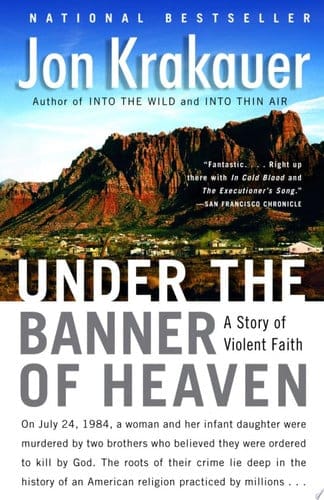
He explains how a Jon Krakauer book sent him thirty miles into the desert, to a polygamist town and the teenage boys it had thrown out, and how their stories became Exit 27. He describes the play he is writing now, set in one morning's meeting during the making of Giant, where a man sells his soul to keep his name on the marquee.
Listen for one word at 14:26. Twenty-two minutes later it is his whole answer to what this life has cost him. Elena Taylor told this show a writer gets twenty-four hours to let a bad review sting; Aleks's wife gives him the same twenty-four. The last thing he says is about the day job, and it is the reason to stay to the end.
Topics & Timestamps
(00:00) Kicked out of his own play, twice
(00:29) Contests, and writing the play he'd want to see
(01:57) The boy who hoped a troupe of actors would steal him
(02:42) An actor first
(03:37) "When I was ten… I just knew"
(04:16) Why a theater feels like church
(04:46) A script in purgatory
(05:45) What the director saw that he didn't
(07:41) The play no one was going to produce
(09:03) The back row, and the stranger in the next seat
(10:30) Why playwrights should sit in the audience anonymously
(12:07) "I didn't get that"
(12:54) Tennessee Williams shows up with rewrites
(14:20) Why he kept writing it anyway
(15:38) Would an actor want this role?
(17:37) What eight-year-olds teach a playwright
(19:13) Teaching: "a prison guard and a social worker"
(19:46) A high school within sight of Seattle
(20:30) The theater he's sitting in, and who opened it
(20:51) Five top playwrights, none living off their plays
(22:31) Phones, and the actor who missed an entrance
(23:47) Tango Mike, his grandfather, and who owns a family story
(25:57) Exit 27: the town in the desert and the boys it exiled
(28:58) The Snowmaker, "the white whale"
(30:41) Who theater is for
(35:27) Why should anyone like Hamilton?
(36:27) What it has cost
(40:32) Giant, James Dean, Rock Hudson, and one morning's meeting
(44:03) Twenty years from now
(45:23) Marry rich, go to therapy, pick your audience
(49:22) What the day job is, and isn't
Transcript
Aleks Merilo: twice in my life, I've been kicked out of a theater because they didn't realize I wrote the play. So I I I walked in to go sit in the house before the show and like, sir, you can't be here yet. No audience. I'm like, I wrote it.
Terry Heath: I'm Terry Heath and I'm here today with Alex Marillo. Hello, Alex.
Aleks Merilo: Doing?
Terry Heath: Your credits include wins in the Inkslinger, Project Playwright, and New By Northwest competitions, plus a Woodward Newman Award finalist spot. How has being in contests affected your writing?
Aleks Merilo: Yeah, you know, when I when I was in grad school, I was trying to figure out like a multi-pronged approach to try to introduce myself to the playwriting world. And I found that contests were a good just kind of third party approval. You know, if you got a mark in a contest, it might not lead to it might not lead to a production, but someone else can say, hey, this this script got an award, this script got a mention or a finalist or something. And But by that it would look at you know someone else's endorsement. So I started focusing on some contests that I thought would be good for the scripts and it's it's been quite fruitful actually.
Terry Heath: Did you find yourself adapting the way you wrote to accommodate the contests?
Aleks Merilo: actually no, no. I I I d figured I wanted if they liked what I wrote, you know, they'd they'd like what I wrote. I didn't wanna change any any styles or or preferences to suit someone else's stuff. My my philosophy has always been if if I like the play, if I like the script, someone else probably will too.
Terry Heath: tell me about the boy who used to lie awake hoping a troop of actors would come and steal him.
Aleks Merilo: Yes. Alright, so that goes back to Shakespeare's times when the Queen passed a law saying that she loved theater so much, but she loved theater so much that she said that it was it was legally above ground for theater producers to kidnap small children, s young men, and and make them into actors. And I thought hearing that I'm like, that's gotta be Man, that sounds like a party to me. That sounds great, you know. I d I d
Terry Heath: Ha ha ha.
Aleks Merilo: I don't think Shakespeare's company ever did that, but I know that his contemporaries did. And while it was seen as like a a terrible moment in history, I'm like, man, that would have been so fun for me.
Terry Heath: Did you s so did you think about being a playwright when you were a kid did you act?
Aleks Merilo: I I acted, I've always loved theater. I was lucky to grow up in an area that really, really supported the arts. And I I loved acting. And after a while I just kinda thought about you know, I st I started taking greater running classes and writing stuff, and I realized everything I wrote would either be in the first person, like a monologue presenting a character, or everything I wrote really lent itself to an individual on the stage. And I very quickly I was really fortunate very fast when I started writing scripts that people started showing real interest in them. And I I I still act, I still do theater, I I teach theater for a living. but the writ writing the scripts has always had a really special place in my heart.
Terry Heath: When did theater stop being a a wish and become the thing you'd build a a life on?
Aleks Merilo: When I was ten, you know, I I just
Terry Heath: Mm.
Aleks Merilo: I I I knew. I just knew when I started that it's what it was gonna be, you know, what I was gonna study, what I was gonna pursue. I just wanted to spend every waking minute in a theater. And you know, when I'm not with my kids, that's what's with my wife, that's that's where I am, you know. It's it's just something that's always for me it was never a question. And I was lucky that my my parents were immensely supportive. I'm I'm sure it probably drove them crazy that theater was what I loved. But they knew I loved it so they so they encouraged me, you know.
Terry Heath: What's it like for you to be in a theater?
Aleks Merilo: Well you know, that's that's interesting. I've I think everything makes sense in a theater, right? I think that I would almost compare it to church. You know, the world can be a very confusing place, but you know, the the lessons of theater, the camaraderie of theater, the community of it, the artistry of it, the hard work. I mean for me it's just always felt like home. It's always felt like the the most comforting and safest place.
Terry Heath: What's it like to write something that doesn't exist until other people speak it?
Aleks Merilo: Well that's that's a double edged one right there, 'cause you know, when when writing I mean yeah, it's wonderful and it's really crazy. One of the things I love is is when I write a script and then I walk into the theater after they've been rehearsing it for for several weeks. And there's what I daydreamed about on stage. There's there's the shack in the desert I wanted built. there's an El Camino car on stage because I wrote that in a stage direction. that's always just kind of mind blowing. And I think it's where theater is different than traditional writing because, you know, you gotta have someone build it for you. The double edged part is, you know, the process of writing and script writing, it's not realized until a theater produces it. And You can feel like a script is in purgatory while if it's not produced or if it's not done. That can be pretty brutal.
Terry Heath: Does it do you ever walk in and listen to it and think there's something there I didn't even realize I had done?
Aleks Merilo: Yeah, there are moments where and that's that's another great thing about collaborating with other artists where a director will see something or an actor will deliver a line in a way where I'm saying like you know, they noticed this, but I'm gonna take credit for it. No, I they
Terry Heath: Ha ha.
Aleks Merilo: they they might they bring they definitely bring a another eye to it. Sometimes I feel like if you're writing something you're you're kinda looking at the world with one eye closed, you get kind of a one-dimensional vision of it but then when you add more people you start to see things you never noticed before and so that can be very very cool
Terry Heath: Like what?
Aleks Merilo: geez. so when I was doing The Widow of Tom's Hill, that was one of my plays that you know took place during the the first pandemic, not the recent one, but the one in 1919, the director pointed out how much of the play was about government and information and withholding information to the public. That had never really occurred to me. The world of the play was two people in on in in the woods on a dock, pretty much. sorry, on a dock in a town in the woods. And there was this larger implication that the director had picked up on that I hadn't. And I thought, that's that's really cool. And suddenly the play seemed to mean something a little different. And she got in contact with me, actually, the director, after the twenty twenty pandemic and said, Did you ever think about that when you're writing the play? And I th I said, of course I did, you know. No, no, it was it was all her, she figured it out. But I I really appreciated it.
Terry Heath: So that particular play, The Widow of Thomas Hill, you didn't expect it to be produced at first?
Aleks Merilo: I thought there was no way that play was getting produced. it's it was two people on a stage and they have to be they're in a quarantine zone, so they're separated by a rope, a line on the stage. They can't ever cross it to be near the other person. And it's probably probably the darkest play I've ever written. You know, one of the characters might be infected, the other's not. And when I was writing it it was it was almost almost an exercise and can I do this? Can I have a play? Where it's just two characters with staging limitations and can we can it actually succeed? And then I sent it to Luna Stage in New Jersey and they did a staged reading and then they said, We want to take this off Broadway and I said, My God, really. So y y you'd asked an earlier question about if I ever change my writing to meet someone else's expectations for like contests and stuff. And if I had done that I probably wouldn't have written this play because it was it was so dark and so grim that I was sure no one would produce it. And then it got one of my most lovely productions, you know. It was really Rachel the director really just hit it out of the park, you know.
Terry Heath: What's it like sitting in the audience when your play is on the stage?
Aleks Merilo: Absolutely terrifying. I usually
Terry Heath: Yeah.
Aleks Merilo: sit in the back row. there have been some really, really funny moments. twice in my life, I've been kicked out of a theater because they didn't realize I wrote the play. So I I I walked in to go sit in the house before the show and like, sir, you can't be here yet. No audience. I'm like, I wrote it. That's that's happened to me twice now, which is just kind of funny 'cause there's an anonymous nature to it. I did have I was once sitting in a theater in New York and the person next to me pulled up my face on their phone and was like reading about me and I'm sitting right next to them. And they're talking to the person they're talking to the person next to them and I'm just kind of like Do I say something? I I didn't say anything. I was too amused at the time really. so so on one level there's there's a terrifying anonymity. There's a powerlessness at the same time it's it's just an incredible rush. It's the feeling that they you know, your your your work has has come alive. And when you have the right actors, you have the right team, and it's it's it's a pretty special feeling. I do love to be anonymous in the audience. I do like to experience the play. And if I get a reaction with the person next to me or they say or if they laugh or something, I think that's a real victory, you know.
Terry Heath: you tell new playwrights to go to a reading and and attend it anonymously.
Aleks Merilo: Absolutely, yeah. I you're gonna get you're you're not gonna get a more honest reaction. You know, I I've I know a few playwrights who actually write under different names and show up at their meetings and show up at their readings and their productions. And I'll see them sitting in the front row, but but the theater running will say, the playwright couldn't make it tonight and I'll see the playwright sitting a few rows in front of me. you get the most honest feedback. You know, I think there's a there is inevitable pressure to compliment or like something if you see the artists involved nearby. And that that can kind of be it's pleasant, sure. but it's also, you know, you don't wanna you you wanna give them feedback that's gonna genuinely help their work. So I prefer to go kind of on my own.
Terry Heath: If you attend to play early on and then do you ever go back later where has it changed sometimes when you go back later if you do?
Aleks Merilo: Hmm. Well, that's part of the fun of live theater is that there's always something. There's always, you know, it'll never repeat itself literally. It'll kind of have a spiritual reproduction, but you might see the actors discover something new. You might see a change in the process. You might just see the actors a lot more comfortable than before. and but it's it's never the same, which is, you know, one of the remarkable things about the performance.
Terry Heath: Do you sometimes see the play and and say, Well, that's not where you'd like it to be, but you have to kind of settle?
Aleks Merilo: yeah. There there've been some plays where it's like I had an intention intention. I wanted a specific reaction from the audience and I didn't quite get there. Or you know or an audience member loudly says, I didn't get that, you know. That's that
Terry Heath: Ha ha.
Aleks Merilo: that doesn't Yeah, and you know, th that that can be a real challenge because You know, y you want the audience to connect, you want the audience to to understand and experience what you wanted them to. So that can be that can be kind of brutal, but you know, it's it's a lesson. Everything is okay, return, next script, how do we do that better?
Terry Heath: Do you ever go back and rewrite to try to get that reaction?
Aleks Merilo: depends on the play. There are some plays where like if it's if it's if it's of a certain age, like I don't feel like maybe it's, you know, maybe it just represents a time in my life that's a little past. th th there have been moments where an actor has flubbed a line, but actually improved it in the process. And okay, I'm taking that, man.
Terry Heath: Yeah.
Aleks Merilo: I have gone to rehearsals, definitely, and said, okay, that's that's Silly, that didn't work the way I thought. Let's fix that. Once it's in performance, it's kind of locked in. But you know, for me One of my favorite stories is Tennessee Williams, the playwright. He allegedly he went to the 25th anniversary of the Glass Menagerie. You know, one of the one of the greatest plays in the English language, and he showed up with rewrites. After 25
Terry Heath: Yeah.
Aleks Merilo: years, and this play has, you know, won every award. He shows up and says, I finally fixed it. And so so you know, the theory in playwrighting is the script is never dead. It's always changing. And some of the best ones, I think Amadeus has had multiple. drafts, Tennessee Williams, Arthur Miller obviously have multiple drafts and versions of their plays. it's never dead. It's just I think well maybe we just get exhausted by it, right?
Terry Heath: What kept you working on, The Widow of Tom's Hill when you didn't think it was going to be produced?
Aleks Merilo: You know, it was i it was the challenge. It was it was can I can I turn this into a play that I would want to see? And honestly, I think there's a level of obsession that's required to work in the arts, and to be a writer. I think you have to kind of let yourself be totally pulled into the world and each You know, I'd I tried to do a lot of research and stuff and every time I learned something, I'd be like, that's so fascinating, I've got to include that, or you know, th there there grows a level of yeah, obsession's the right word. And it's it's hard to let go. And at that point it was kinda like, I'll finish this script, send it out, you know, we'll see where it goes. And by coincidence, that one went well. You know, I was I was talking to an actor friend of mine last night. Who said he wanted to he wanted to write he wanted to adapt the Stephen King book It as a stage play, knowing it could never be produced. But what a cool idea he thought that would be. So I that made sense to me in a strange way. You know, there's sometimes the exercise is what makes it worthwhile.
Terry Heath: So you have theater background yourself before you start writing and then you advise playwrights to take an acting class.
Aleks Merilo: Yeah. I think the the best thing an actor can do, sorry, a player I can do is look at a script and say, if I'm an actor, would I want to play that role? would I want to give my time to learn the lines, get the story? Is there something unique enough about this character? Would I have a chance to play a role like this again, or have I played this role before? And for me, when I f when I first started really writing seriously, that was the question I came back to. You know, forget the the gender or age of the character. If I was an actor, would I accept this as a challenge? Would I want to do this? And I mean, acting and playwriting, I think, are the I think it's the same muscles. It's about creating character, it's about creating a three-dimensional psychological being. And I've always, you know, like I said, I love acting, I love playwriting, but I feel like they share so many like some of my students this, I think they share so many of the same fundamentals. And I think that I was lucky to to study acting first because then suddenly I figured out like or at least I interpreted what would be dramatically interesting for a performer.
Terry Heath: Have you ever gotten to play one of your own roles?
Aleks Merilo: No man, no, that would that would be too weird, I think. That would be that would be strange. There's one play I wrote that has like a s 70-year-old Russian Taylor, and I'm like, you know, g g give me give me three more decades and call me back on that one. But, you know, I I you gotta give it up, you gotta let it go. I'd probably fight with the director too if I if I was I'd do something I wrote. Some people can do it, I'm not one of them.
Terry Heath: What does teaching give to your writing?
Aleks Merilo: man. So I think teaching it's never boring, huh? But it's it's a really right-brained activity. I mean it's not especially teaching theater, it's not here's your textbook, you know, learn these lines. It's it's very in the moment. And it's here's a new script, here's how we adapt to it, here's how we respond. So it's there's a sense of immediacy to it. and I I think that's where creativity lives. I actually used to teach K through six, I used to work for Theaterworks in Palo Alto in California, and they they sent me out to teach theater to kindergarten through sixth graders, and their imagination was was absolutely just wonderful. you know, really, really sharp, really just intelligent and y you'd hear lines said and you're like I know you're eight years old, but that's that's a p profound thing you just kinda threw into that scene arbitrarily. You know, are you but but that kind of inspires me with just like the co the constant imagination. I think that I think a lot of adults we let go of that as we grow older. Which I think is kinda heartbreaking. but these kids they're they're constantly creating, whether they acknowledge it or not, they're constantly bringing something on stage or bringing something to story. it's really inspiring. It's really quite inspiring.
Terry Heath: So you haven't written any teacher plays,
Aleks Merilo: talk about it talk talk about a job where there is a a literary perception of what the job is like, and then the reality is so horrifyingly different, you know. I never thought it'd feel so much like a prison guard and a social worker. you know, I I I think we all love the romanticized image of what what a teacher is, but man, the real world is So much scarier, yeah. It's so much more never saw that coming. Yeah. Maybe someday. Right now, I'm not I'm not quite feeling it.
Terry Heath: Hm. What what kind of school do you teach in?
Aleks Merilo: I teach in a public high school. I'm sitting in the office right now. I live in Tacoma, Washington, but I teach in a town called Port Orchard. And like I say a bunch of my students are out there painting a set right now. And and I wouldn't call it rural, but it's in the woods, you know. It's it's and it it's it's challenging because we are within sight of Seattle. But there is the Puget Sound in between. So they have this vibrant city just out of reach. Yeah, so it's it's so it's a challenge. it's very different than when I was growing up, obviously, you know, and when we were growing up too, you know, just the world's changed a lot.
Terry Heath: This won't mean anything to anyone aside from you and I, but I was in the production that opened that theater you're sitting in right now.
Aleks Merilo: What? Wynn Garland? You what was the show? my gosh. my g that's incredible.
Terry Heath: Yeah. The sound of music. The sound of music. Yeah, back in like nineteen eighty, eighty one, something like that. Yeah.
Aleks Merilo: my gosh, that's incredible.
Terry Heath: do you ever think about that? What your your students will loop around someday
Aleks Merilo: He you know, I think if I had told many of my teachers that I was gonna be a teacher, they would they would never have seen that coming.
Terry Heath: Mm-hmm.
Aleks Merilo: I I am in touch with several teachers of mine, some professors as well, and they yeah, it's just it's it's extraordinary to speak to them. I the world is so unpredictable right now that I I wonder what it's all gonna look like in that time and I do believe that in the world we currently live in, I think, you know, the live theater with no screens, with no distractions, I think there I think there's always gonna be a need for that. And I think there's a bigger need for it for a lot of these kids because of just the how much time they spend on a phone or on a screen or computer. I I I feel like the live theater is not going anywhere. and what what I said to my kids is that you know, making a living in writing in theater in the arts. America is unkind to that. In fact, I I remember reading a a write up about the five top playwrights in America meeting and realizing that none of them made a living off of playwriting. They were all professors, they were all involved in screenplays as well. It was you know, it was kind of shocking. But what what what I say to my kids is that Whatever you do, just keep the arts in your life somehow. If that's just reading regularly, that's great. If that's joining a choir, if that's performing, if that's writing, awesome. But just just find a way to keep the arts in your life, however the world changes.
Terry Heath: Do you see any way that so much time on the phones plays out in the performances the kids give?
Aleks Merilo: Yeah, yeah. it's pretty scary to be honest. You know, a phone demands your full attention and acting demands your full attention and they can't win. I I have more than once been backstage at and not even a school play. I've been at working on plays where an actor I like and respect misses an entrance because they're on their phone. It's crazy. yeah, with the kids, I mean they'll they'll oftentimes I'll have kids just say they aren't creative, they don't have an imagination, and I'll say you just haven't tried, you know, you just haven't jumped into that world, you know. I I definitely see I I grew up in Silicon Valley, so my high school classmates are the guys making the iPhones right now. And it it's a little haunting to be honest, 'cause for me school was so special and the theater is so special that you want the people to experience friendship and time with each other. That experience. So that's it is a huge concern of mine.
Terry Heath: Tango Mike grew out of your grandfather,
Aleks Merilo: Yeah.
Terry Heath: his life. How do you decide what
Aleks Merilo: That's correct, yeah.
Terry Heath: what you can use from your family to put on stage?
Aleks Merilo: That's good question. well my grandfather passed in 1994, I wanna say. and it was years later I heard this story that he had this friendship with another military buddy that was, you know, it was it was like a 10-second phone call each day. They would like, you know, say something, like, you know, just grunt at each other and say hi and tell a joke, something, and then hang up. And I just thought that's so interesting. And I heard that when my grandfather passed his friend who had talked to him once a day for about 10 seconds each time, you know, or like, you know, just a short moment it was was absolutely crushed. And it was it it just struck me as this, this, this very men of a certain era and age. And for that one I felt like You know, it's about my grand but at the same time s you know, a lot of the fine details are are stuff I pulled from pulled from full cloth. but the premise was was very much my grandfather. As far as who owns the story and stuff, writing about family, you know, I think Eugene O'Neal, he wrote Long Day's Journey into Night and wouldn't let it be performed until after he had passed. and then I think he wrote Wilderness He said it was the autobiography that his life as he wished it had happened. So I think any playwright wants to be careful with their family as basis, for the story. So tha tha that's a tricky one. That's a tricky one. There are questions of who owns the story, who owns you know, whose story are you telling and do you have the right to tell that story. I gotta be honest, I've always struggled with that. For me it's always been if it's a story I like that's interesting, you know, I'll I'll start writing it.
Terry Heath: How'd you come up with the story for Exit twenty seven?
Aleks Merilo: That was a wild one. that was many steps. So so I was I was working in at the Utah Shakespeare Festival in 2007. At a fantastic, fantastic theater. And I was doing dramaturgy, I was helping out the playwrighting program. And by coincidence, I had worked for an agency years later that represented the writer John Krakower. And he had written a book called Under the Banner of Heaven. And this town that he mentioned, Colorado City, was 30 miles from me. And I'd really liked this book, and I'd I'd worked, I'd mentioned, I'd spoken to Krakower on the phone many times. I was never allowed to tell him how much I loved his writing. I just just professionally, you know, about you know adapting his scripted movie stuff. but I I said, okay, I want to see this town, and I I drove out to it. And it felt like you wouldn't have thought it was America anymore. It was dilapidated houses in the desert, houses that had families of 70 people in them. Pioneer clothes. And I became very interested. So this city was the world capital of polygamy. It was where one man needed three wives to get into heaven. And you know, so It was a strange day trip to take, come to think of it. But so me and some people went there and and I couldn't get out of my head. I I I thought I'd I've never seen anything like this. And the story that stuck with me was that for that structure to work, for polygamy to work, you needed a lot less girls, a l a lot less guys than girls. So there were all these young men that were being exiled from the town. and kicked out of their homes for for the most arbitrary of offenses. listening to music, flirting with a girl, you know, being a teenager in general. So you had all these boys who were abandoned. And they were off living off kind of on their own in a hurricane in local communities. And I I couldn't let go of that story. It just stuck with me. So I I got in my car and I drove to Hurricane and I started looking around. And I just started kind of asking questions. And hey, do you know anybody from Colorado City? Do you know anybody from the Creek? And it didn't take long. And I I met some of these these young men. and they told me their stories and that became the script of Exit twenty seven. So that
Terry Heath: Mm.
Aleks Merilo: was very much There's a lot of a lot of crazy stuff that led to that script, but I was very it's it's gone up a bunch of times and I've been very pleased with it, but it was a very, very baffling experience, you know.
Terry Heath: the snowmaker.
Aleks Merilo: Yes. So that play is is the white whale. I mentioned earlier that one of the one of the toughest things in playwriting is when you write a script and it hasn't been produced yet. So the Snowmaker is about a A Military contractor who's returned from the Middle East, and he takes his daughter, and she's sixteen, and she hasn't seen him for years, and she comes to realize they're on the run, that they're hiding from someone. And they hide up in the woods of Montana. So This script, man, it it won numerous awards, the playwrights first award. It was a nominee for the Oregon Play Prize, the Kamelean Playwriting Contest, like and it's never been produced. So this is this is like the curse of playwriting. five times five times it's had a director at a major theater say, It's a finalist, it's down to this and like one or two other plays we're gonna figure out. And each of those times, it wasn't selected. So that's that's that's one of the hardest parts of playwriting, is is believing in something really well and just hasn't worked out yet. I mean the script will always be in my drawer, so if I see the right opportunity I can always send it somewhere, but it's the so close but not quite there. That's real tough. And I think every player probably has that story to be honest.
Terry Heath: So you've you've said that theater sometimes pigeonholes itself as an art of the elite.
Aleks Merilo: Yeah.
Terry Heath: Who is it for, then?
Aleks Merilo: Well, th the most I mean, I think theater's for everyone, right? I think it's anyone I mean, th for since the beginning of of, you know, what we know about the Greeks in theater, I mean when the Greeks did theater everyone would go, they'd even let people out of prison to attend the theater. You know, that was the in Shakespeare's time. You know, theater was located in the worst part of town and the groundlings would would congregate with the royalty pretty much. these days I might drop two hundred bucks for a ticket, you know. Broadway show, you know, a popular one, it's inaccessible for a lot of people. Now I I like to take my kids to the theater too. And when you're talking, you know, a hundred bucks a ticket at least, you know, you're making a big investment. a lot of theaters are getting better at kind of opening the doors and stuff. I think, you know, finding ways to attract people, from different worlds and different demographics. But there is a real danger. No I've noticed I I've noticed in this, you know, I'm guilty of this as well, but like a lot of times the plays that are produced are these dark, gritty, harrowing dramas that often deal with something timely or topical. And then I go see a comedy at a much smaller theater and the audience is just adoring it and having a great time and it's it's much more inclusive to different, you know, levels of you know, the social strata. And I I I think that there's there's a danger of it becoming Something that only a certain demographic attends. Now I go to the theater, I can often still be one of the youngest people in the audience, and that's that's mind-blowing to me, you know. and and that's something I notice, and I think a lot of people notice, but you know, I recommend a show to my students and I catch myself like Mel do you ha do you have seventy bucks to spend to get out there to the Paramount or or the Fifth Avenue? there's a big question about whether theater is a a business or charity. You know, if it's a business it's meant to make money. It's meant to have you know the most expensive tickets for the biggest spectacle and the biggest draw. If it's a charity you're you're still asking for funding from somewhere and you know, you have to find out, you know, what's gonna actually make it money if it's a charity. Is that doing the same play people have done for years and years? Is that doing Shakespeare? Is that doing, you know, August Wilson or something? And and both those setups limit the the audience. Both those setups limit who can actually attend. Which I think is a huge problem.
Terry Heath: I remember looking out in the audience when I was in plays even as far back as fifty years ago and seeing
Aleks Merilo: Yeah.
Terry Heath: a bunch of white hair. Now I have white hair myself.
Aleks Merilo: Yep. yes.
Terry Heath: but it's always been that way. It the it somehow figures out a way to replenish itself, the audience does.
Aleks Merilo: Yeah, yeah. I I mean I was just at Lay Miz two weeks ago and it was it was the same setup, man. I do applaud there are certain shows where And oftentimes they're the comedies. I mean the Book of Mormon, Spamalot, the producers, Prom, Mean Girls, they have been good at drawing younger people into the theater. Hamilton, of course, as well. Those ones have been quite good at bringing younger people into theater, and that's always that's a very satisfying moment. I remember when the producers and Rint came out on Broadway, there seemed to be a a shift to like we can be silly. It doesn't have to be the mega musical. We can do something not not Rent silly, of course, but we can We can have main characters who are nineteen and playing rock music. We can have lowbrow humor, you know. And I I feel like every once in a while the gates open and bring more young people in. I just wish it would happen more often.
Terry Heath: Why should I like Hamilton?
Aleks Merilo: Ha! I mean that's a personal case. That's that's
Terry Heath: Yeah.
Aleks Merilo: so look, You ever have that that thing where you wonder why? And it's because for ten years people have been telling you to like it. No, it's it's
Terry Heath: Yeah.
Aleks Merilo: I like that there's a a contradiction in the protagon in the the antagonist that, you know, characters are supposed to be active and pursuing a goal and the antagonist's goal is not to do anything, just to wait. I think that's kind of a contradiction that shouldn't work. I've I've read some fascinating stuff about the musicology and how different eras of rap are portrayed by different historical characters. I think it's a solid show. It's not my favorite by a long shot. but you know, I think it's solid one and You know, it'll once again it brings young people to the into the theater. I prefer Hades Town, you know. I prefer Fither on the Roof. But, you know, you can't deny it's made a cultural impact.
Terry Heath: what has your life in theater and writing for theater particularly cost you?
Aleks Merilo: I think I alluded to that a little earlier when I talked about the the quality of obsession, where It's allowed me to pick a niche and and and dig in really well and become really passionate about something. strange. Like for a while I got really into Russian prison tattoos or phrenology, you know, things that no normal person would ever, you know, dive into. And I think right now I'm trying to work on a play about, you know, the politics of of golden age Hollywood. It's fun to really dig in there obsessively and and to find joy in that. and there's a lot of passion in that. You know, it's brought me my best friends, it's brought me my wife, you know, it's it's it's it's brought me a job that I love. So I've been immensely lucky. What it's cost, I think comes back to that idea of obsession where how do you give yourself to something like writing so passionately or the arts in general, how do you give yourself to that and not be Hurt when there's a struggle, when when that one play doesn't get produced, or when something's not working. How can you be passionate about a topic enough to to to reap the benefits? But also not be wounded when when it doesn't come together. I think I think actors are a great example of this, you know. You love a play with all your heart, you work your heart out. It's down to you and one other person, someone else gets the part. You know, how do you pursue the role with all that passion and then not let it get to you? I think playwrighting and writing in general has a similar bent to it. You know, how do you manage that? And and you know, I'm I've gotten older and I I can accept that that I know that anything that seems like it's gonna be You know, I was last year I was there was a university that was looking at a script and you know, they were treating their their finalists like absolute royalty. It was an incredible experience. And, you know, in the end the the ultimate grand prize went to a different playwright, very deservingly so. And and you know, I'm like, yeah, I understand. I'm happy for you. You got it. Your script deserved it. At the same time I'm like, damn it, you know. It's it's so so it's hard to to to really separate yourself, I think, from the the passion. The passion that you need to succeed is also the passion that's gonna drive you crazy. And I I I I've never found a way to one hundred percent balance that. And my my wife will tell me that, like, you know, she knows if something doesn't work out, you know, I'm I'm kind of a pain to be around for about twenty four hours. And I I guess it's the curse. I I d I don't think I've I've been stupidly fortunate with with theater and with playwriting. And I think it's because of the passion I put into it, but at the same time, that passion has probably made me very difficult to be around in some circumstances, you know. That's that's that it's you know, the wound, if if something doesn't work, or even just the process of this script I'm working on, it's not where it needs to be. So I I I think there's never been a a cost in like I've had to make profound sacrifices. I've been I've been so so very lucky. But there has been the cost of just like of of obsession. And and that's the hardest part. And while I've gotten better at dealing with that, it's still there, you know? There's still that vulnerability.
Terry Heath: What's the next what what's the big thing on your plate right now?
Aleks Merilo: yes. Haha. So I've been working on this play. I mentioned the old Hollywood politics. And I had been reading about the production of the movie Giant, which was when it came out, Elizabeth Taylor, Rock Hudson, James Dean. it was the most expensive movie ever made when it came out, because it was ten million dollars, which is so baffling right now. And it was also hit with some of the biggest challenges imaginable where James Dean died right after filming was complete. I think actually he hadn't filmed all of his scenes. He needed a double, I think, for some of them. And then they had one of I think the profound Hollywood tragedies, which is the story of Rock Hudson, who was he was a closeted gay man playing the all-American male, and he had to he had to make the choice of selling other people to the tabloids to to maintain his career. So he had to turn on lovers and loved ones to keep his name on the marquee. And I was thinking about Giant and that that ten million dollar gamble with both those actors, an actor who's passed away, and an actor who is a liability 'cause of his sexuality. And what I was thinking was After James Dean died, there had to have been a meeting. There had to have been a sit-down of of how dangerous dangerous the situation is for the studio. I I read that if that movie had failed Warner Brothers could have tanked and that could actually destroyed the economy of Los Angeles. And you know, it was it was a it was a one-fifth of the movie business, and like, you know, they said they would unemploy tens of thousands of people on the spot. The impact would have been near total in Hollywood, even for for one movie. And I I love the idea of the meeting where this very fragile situation is negotiated. Rock Hudson eventually married his agent's assistant, who for years would say she didn't realize that he was a gay man. struck me as so tragic. So there had to have been a point where they planned this and and giant was such a a high stress point, I said, what if that that meeting was in that moment and over the course of one morning, you know, a man has to sell his soul. And then there was the other characters as well. You know, there was Eddie Mannix, who was a Hollywood gangster on the level of Al Capone, you know. You know, there was the politics of production and just the you know, right out of college I had some jobs actually on the War Brothers Lots. And just just the the the lunacy of walking around a world where you have people wearing alien makeup just walking down the the path in front of you or you know you see a three-story monster that's gonna be in some films there. That world was so unique and fascinating to me that that's where the next project is. So I've been I've been cranking this out this script on the making of giant and and that one meeting where like I say, everyone sells their souls. That's the project I'm working on right now. Very close
Terry Heath: Mm.
Aleks Merilo: to getting it I think.
Terry Heath: Where do you see yourself in twenty years?
Aleks Merilo: Oof, man. jeez. You know, I I have I have an eight year old and a four year old, so it's more like the next twenty minutes for me is you know. I would love I want to teach as long as I can. Because it's a job I believe in. And I see the I know what my teachers meant to me growing up. Whether I never let them know that or not. I've I've tried to let them know that. Whether they believe me or not, I don't know. that said, you know I've got European citizenship and I'd love to move out to somewhere in Eastern Europe and just write. And just, you know you know, that's something I've dreamed about. My wife and I have always talked about, but right now right now I can't even see past the corner of like getting my kids to bed without, you know without something crazy happening. I'd I'd love to someday just just hang out in that coffee shop with you know r right plays and and and just live in the old country. But but you know, there's a few hurdles I gotta get over first, you know.
Terry Heath: you've had a a fair amount of success. What would you tell somebody that was just starting out playwriting?
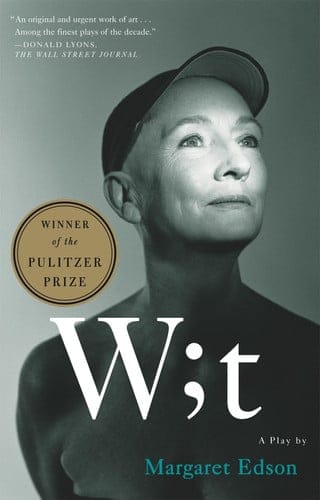
Aleks Merilo: Yeah. I had a an actor friend who who just just nailed this question. And it was I asked him, what do I say to kids who want to be actors? And his response, I will I was just perfect for me, was one, marry rich. Cause cause the finances is not gonna be your your top thing. two, go to therapy, which I thought was funny. But three, he said, was, what is your dream audience? He said, Who do you want to be in the crowd? Do you want, you know, do you want academia? There's a lot of great theater going up at universities. Do you want it to be high schools? Do you want it to be community? Do you want it to be, you know, the arthouses, the experimental stuff? To really visualize who is your audience and how does that influence your choice. as I've said, the arts in America, you know, that the day job is something you have to confront. And and you know, any any writer who who can get by on writing, man, good for you. God bless you, you know. But I I I do think that gotta figure out what is your strategy for for survival. And I I I I love the stories of you know the the writer who was you know working at Barnes and Noble and during their break they were scribbling a draft of of what would become a you know their best-selling novel or I loved the Wit was written by a kindergarten teacher in their spare time and won the Pulitzer. I I love stories like that. But right now I don't think I don't think America is set up to support an artistic career. That doesn't mean not the arts. But an artistic career I think you've you've really gotta figure out how to stay alive. you know, I I I know some truly extraordinary performers and artists. Ha ha ha ha have had just just been in shows that, you know, we've heard of and been on TV shows or works of productions that that, you know, are nearly household names. And if I told you they're a paycheck, you'd gasp, you know. It's it's I I gotta be honest, I I like that I have a day job. I like my day job. And I I have a lot of admiration for people who have those two lives they divide. I don't mind that while I've made money, it's been you know, it's it's it's been it's been a very nice amount, but it's still, it's still, you know, it's not my it's not how I get groceries. I I don't think that right now America's bills to support artists. I think other countries have have a very system set up. I think, you know, the UK is is very supportive. I know then Japan, they have a whole concept of with living treasures, people who are too special in the arts to to do other work, you know. And you know, I've I've I know I don't know I've had a professor who turned out to be Bulgaria's greatest short story writer. And so I think other cultures have different values about it. But I think where we are right now It's not on the arts. So you've got to figure out how you how you pay for yourself and your family.
Terry Heath: Do you see that changing?
Aleks Merilo: I don't know. But I would add that that's not a failure. I do I do wanna add that. I don't think it's it's a If you are a a Hollywood writer making an astronomical sum, and I I said it because I've I've seen some paychecks for Hollywood writers when I was working with Warner Brothers, awesome then, but that doesn't mean the writer who's who's written a play that might perform at a 99-seat house in New York is unsuccessful because someone else is is is flourishing financially. I I I don't see the day job as as a failure.