▶ Listen to this episode · 1h 2m
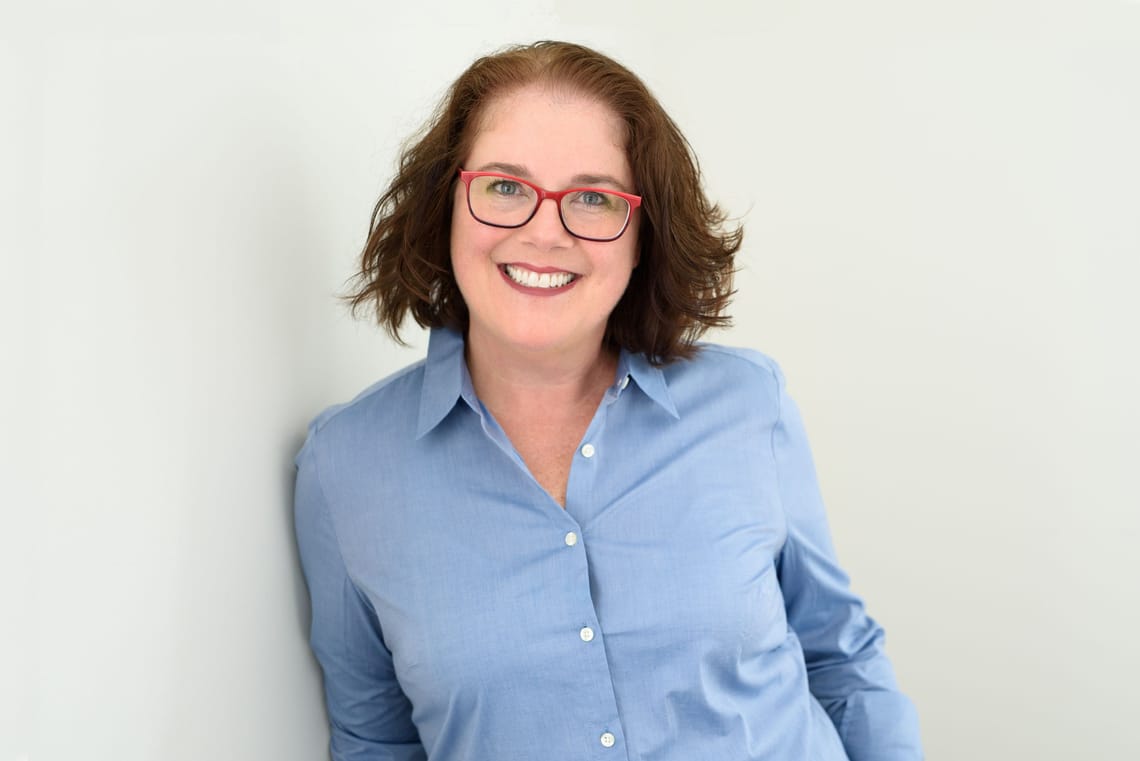
Steamy romance novelist Christina Braver has never turned a profit on her books — and she's never regretted a page. In this conversation, Christina talks about writing "real sex representation" into the romance genre: heroines with endometriosis, sexual trauma, and bodies that don't work perfectly, who are still worthy of love and a happy ending. She shares the reader letter she returns to when imposter syndrome hits, the one-star review her Formula One–obsessed son wanted to answer personally, and why a woman with a clinical psychology background and a corporate career ended up writing romance during COVID. Along the way: the "generative stage" of life, the tyranny of the checklist, charlatans in the self-publishing space, and what her husband's coworkers think when they find out what his wife does for a living.
The main question of this podcast: What has your life in books cost you, and what has it given you?
Topics & Timestamps
- (00:47) The main question: cost and reward
- (01:01) The honest ledger — money lost, free time gone, work-life balance eroded
- (03:49) The generative stage: writing to leave a mark, not to climb
- (05:59) The reader letter she saved — Hawaii for Two and one woman's healing
- (09:25) Endometriosis, authenticity, and the romance genre's turn toward inclusion
- (11:34) Imposter syndrome, charlatans, and why she rereads those letters
- (15:02) What could ever make her walk away
- (17:24) Kennedy Ryan and discovering that romance can say something real
- (21:35) Medium essays, a craft book in progress: writing intimacy with intention
- (23:44) The famous one-star review — Formula One Noel and a son's defense
- (26:50) Process: the "plotzer" method — start with the sexual health issue, then find the characters
- (34:34) Where ideas come from: Michael Pollan, Mary Roach's Bonk, and the vet tech who explains boyfriends via animal husbandry
- (38:17) Writing young men — bro culture, toxic messaging, and the new adult WIP
- (40:41) Has writing changed her? ("My therapist says my word is why.")
- (42:18) What she wouldn't tell her younger self — and what she would
- (47:00) What everyone gets wrong about the job: Nashville dreams and the myth of making it
- (50:39) The most unglamorous thing she did this week (a tent was involved)
- (51:28) A day in the writing life: email as the frog, sprint partners, Tuesdays as flex days
- (55:44) Boundaries, budgets, and refusing the "you should" advice
- (01:00:05) On a scale of one to ten — was it worth it?
Books by Christina Braver Mentioned
- Hawaii for Two
- Formula One Noel
- Your Two Lips (first in her series)
Books & Authors Mentioned
- Kennedy Ryan
- Michael Pollan
- Mary Roach, Bonk
- Liz Plank, For the Love of Men
- Michael Kimmel, Guyland
- Stephen King ("the boys in the basement")
- John Gottman (5:1 ratio in relationships)
Life on Words — the life behind the work. New episodes weekly at lifeonwords.com.
Transcript
Terry Heath: just tell me and then I know I can edit that out too. All right.
Christina Braver: Good. Awesome. Thank you.
Terry Heath: I'm Terry Heath and I'm here with Christina Braver. Christina is a steamy romance author. Christina, what have you been up to lately?
Christina Braver: I have well gosh, ⁓ let's see. I've been right, I've been working on new adding new covers to my six book series. And that is taking a while. I'm doing it a little bit on the cheaper side. And so it's just I'm putting in a lot of my own sweat equity with a designer really sort of monitoring and managing what they're doing, as opposed to just sort of giving it to the designer and saying, hey, Here's my ideas, come back with something great that's gonna be exactly what I wanted. ⁓ so that's actually been a lot of ⁓ pretty time intensive. And going through and ⁓ rereading some of the books in my series, ⁓ it's taken a while. It's or it's been a while since I wrote that first book in series, and just going back and sort of making sure that the voice is consistent with how I'm writing now and ⁓ just up sort of updating and ⁓ tightening up the sentence structure, if you will. So that's what I've been doing as well as enjoying the the summer sun and spending time with my family a bit biking. I'm a mountain biker, so I I like to mountain bike. And so that's what I've been doing.
Terry Heath: Right. So how long have you been writing?
Christina Braver: I've been writing since twenty twenty. I've been published the first book I published was in twenty twenty two, but I've been taking classes, writing, participating in my ⁓ professional writers group since twenty twenty.
Terry Heath: Okay. Mm-hmm. Mm-hmm. So the main question of this podcast, and I sent it to you ahead of time, so you should be prepared.
Christina Braver: Yeah.
Terry Heath: What has your life in books cost you and what has it given you?
Christina Braver: So my life in books has cost me ⁓ you know, quite specifically money. ⁓ it's cost me money. I I have not made a profit. And I don't know that I ever will. ⁓ maybe, I mean, maybe, but the certainly the amount of money I've lost each year has gotten smaller and smaller. But as writers know, you know, the more you spend, you have to spend more to make more.
Terry Heath: Yeah.
Christina Braver: And so the more I'm spending, the more I need to make to make that gap between what I you know, ⁓ shortening how much I've lost. ⁓ maybe ⁓ I maybe someday I will cross the line and and make a profit. But it's it's slow going, it's difficult. So it's definitely cost me just cash, frankly. and it's also cost me a little bit of free time. So when I get in the zone with my writing, I it's really difficult for me to pull back and to it's it's very difficult for me to write or work from eight to five. I'm I will get up in the morning and start working at seven and I on when I'm really working on a on a project. And I might not, I might stop and make a quick dinner for my family and then go right back to it until 10 o'clock at night. So On these beautiful summer days here in the Pacific Northwest, sometimes it's a little difficult for me to justify that I'm in my office, even with the window open and the sun shining in. ⁓ it's a little I sometimes feel a little bit guilty that I'm not outside enjoying the weather more. But so it has cost me a little bit of free time and that flexibility to ⁓ put to put it aside. So when I worked in corporate in the corporate world, while I I worked hard and worked hours. The main difference from working in the corporate world and working as a writer, working for myself, I'm always when you work for yourself, you're always working. I every every moment, every hour is a work moment, is a could be a work hour. When I worked in the corporate world, I typically took my weekends. I didn't work on weekends. I I might work long hours during the week, but I definitely didn't work on weekends. And that's not, you know, that's not the case now. And I all the hours are available for for me to work. I'd have a harder time separating that work having that work-life balance. So it's cost me also a little bit of work-life balance. And that's that's in short, that's what books, books have cost me in my life. As far as what it's added or what it's brought to my life, it's given me An opportunity to make a difference, an opportunity to reach people. At a time in my life when I am at sort of the final developmental stage, it it sort of sounds morose to say that I'm in my final developmental stage of you know Ericsson and and all the different the psych the psych ⁓ psychologist clinical psychologists and child psychologists, the developmental stages. And so I'm in the final one, which is sometimes called the generative stage, where we have. Reached our career goals and now we are looking to give something back to the world. That's usually folks around retirement age or older. We're we've reached that point where instead of striving and driving to make more money, to do more, to be more, to gain more, we're shifting into a place where we want to leave something behind. We want to leave a mark. We want this this is what we want to be remembered for. Some of those. those kinds of thoughts are are the things that people in the generative stage of development might might be thinking. And again, that is the final stage. And and I think that I am, while I'm in my mid-50s, I'm still, I think I'm still moving into that stage and I'm definitely there. And so writing and what books have given me have added to my life is certainly an opportunity to reach people. And And make a difference in their lives regarding the topics that I write about. I I write about real sex representation in the romance genre. I write a lot about sexual health. I try to include real sex information in my stories. So connecting with people and and knowing that I can still make a difference in someone's life, even though I am not on a corporate ladder or treadmill or making tons of money or famous or recognizable or you know what any of those things that I think when we're younger we strive towards. I'm not those things, but I'm still adding value. I'm still making a difference in people's lives. And I think that is, I think that's been very valuable. That's been a very valuable gift that books and writing has given me. Absolutely.
Terry Heath: Can you tell me one story of when you know that you've made a difference in somebody's life because of your writing?
Christina Braver: Absolutely. So I I get emails back from readers, you know, not not all the time, but I I do get I have gotten several emails back from readers and I one really stands out from ⁓ a woman, middle age woman I assume. I I don't know, but she had stumbled upon my books and I have a I have a story, my story Hawaii for two, the the ma female main character has some some sexual trauma in her history, ⁓ as is very common for women. And a and a common consequence of any form of sexual trauma for women is typically an inability to trust, let go, and climax with a partner. So this, you know, patriarchy tells men, if you can't make her cum you're not a man. So the this in the this is a pretty common struggle and it often leads to faking it in the bedroom, which is you know inauth this inauthenticity in the bedroom is the last place that we don't, you know, the last place where we want to show up inauthentically. We want to be our authentic selves in the bedroom. We're naked physically and literally with our partner, right? So ⁓ all of these things this is very complicated, also very common ⁓ occurrence in in people's romantic lives. And Sh I had a a woman reach out to me and say, you know, she read Hawaii for two. She felt really seen in the female main character. She too had experienced some sexual trauma in her past, struggled to orgasm with her partner, struggled to enjoy sex at all. You know, fortunately, she had communicated with her partner that orgasm was not something that she was comfortable doing very often and really struggled to to reach that place. And they had sort of gotten to a point where they were thinking, you know. that sex is just not gonna be the biggest focus of our of our relationship and gotten comfortable with that. And she said, you know, she felt so seen in the character. She went on and read ⁓ all of my other books and connected with the stories, connected with some of the sexual challenges that I talk about in those stories. And, you know, basically said that she had decided to talk with someone and that she and her husband Had reconnected in a physical way and were enjoying sex in their relationship more than they'd ever enjoyed it before. ⁓ now do I think that my books healed her? No, of course not. But, but you know, of course not. But of course, you know, being part of her journey, like being there for her at the moment when she was ready to receive some healing, ready to take a step forward. Because not everyone.
Terry Heath: Mm-hmm.
Christina Braver: Not everyone's going to be able to do that. Not everybody wants to do that, that. Not everybody is ready to do that. If you, you know, if you're struggling in the bedroom, timing is a thing. So ⁓ I was I was so honored to be part of that journey for her and to be a positive part of that journey for her. And it it it was such a powerful, powerful email. I actually saved it and I go back to it periodically to remind myself why I do this. But I I and That's probably the most memorable one, but I've gotten similar letters from ⁓ from women saying, you know, I just I felt seen in your story. No one's ever I have my first book is a the female main character has endometriosis, severe endometriosis, which causes really painful sex. And I've gotten several emails from women saying, you know, nobody has ever written a romance novel about someone with endometriosis like me. And, you know, and I I think that's really powerful. You know, particularly in the romance genre, since 2019, 2020, the genre has all writers in the genre right now have really tried to be much more inclusive. All orientations, all genders, neurodivergence, diverse female body types, authentic experiences. For example, for particularly for people who have experienced sexual trauma or domestic violence. You know, Painting those experiences as not something that can be healed by the magical love of the right person, but painting those experiences as as impactful to our lives and how how they might impact future romantic relationships and suggesting that there is real, that real treatment, even medication or different things is needed for healing. So presenting some of those stories as authentic and well-researched. That's really something that that's very important to the romance genre. So being able to write in a way that is a little a little less perfect, you know, painting people a little bit more realistically in the romance stories and telling the story that even though you aren't perfect, even though everything about you isn't conventionally beautiful, even though everything about you in the bedroom doesn't work perfectly. You are still worthy of love. You are still worthy of a happy ending. There's still hope for that. So being part of that journey, that being part of that movement in the romance genre is is really powerful and and very valuable.
Terry Heath: Okay. ⁓ so you go back to these letters. What's in your mind when you're doing that? Are you going back when it's been tough and you need encouragement or or just to remind yourself what you're doing? You answer. What why do you go back to these letters?
Christina Braver: Well, sure. I mean, it's a lot of times I go back to them when it's tough and I need encouragement, right? I mean, we I th I think particularly in the romance genre. ⁓ it the the genre is flooded, flooded with books, flooded with writers, flooded. And there are so many people out there who would be happy to help you get 1,000 readers or get on a bestseller list for the low, low price of $299 and five hours of your time, or you know, or whatever, or we'll do it for you for the low, low price of $2,999. You know.
Terry Heath: Yeah.
Christina Braver: And I'm not saying that those things aren't legitimate, that that some of some of those things aren't legitimate, some of those things aren't aren't real and helpful and valuable, but there's a lot of charlatans out there. There's a lot of there's a lot of noise in the space. And so as a self-published writer, putting something out there and doing a launch and expecting people to find your book is really. it's really difficult and you can start to feel like what I'm doing isn't important because nobody is re nobody is reading my books. You know, not enough people are reading my books or buying my books. So what I'm doing isn't important. And when I started down this road, I I didn't do it for the money. I ought I I mean money's great. Who doesn't like money? But I don't need the money. I don't need to make money from my books. in order to survive. I'm very fortunate in that way. I'm at that certain point in my life where I've, you know, established and ⁓ don't need to make money to survive. And so I wanted to do something valuable. I want to do something interesting. And and so I I was able to do that. And and while I continue to get that gratification, culture, the world, Other writers, the industry, the emails that inundate my inbox every day tell me that money is how I'd be successful in this industry. And I have to remind myself that money is not the way that I am going is probably not the the way that I am going to be successful in this industry. Because I don't write books that that I don't write the books that that make all the money. I I'm not traditionally published, so I don't have that machine behind me. And I don't write I don't write the books that that get all the hype or I'm I'm not in the right place at the right time to get the hype. ⁓ so yeah, I go back to those letters when I'm really struggling with my imposter syndrome, when I'm really feeling like this is all pointless and useless, then I should just go do something else. I should bake cookies or, you know, just drift away on a farm or something. This this, you know, retirement age or whatever. So I I go back to those letters to remind myself why I'm doing this because we get so many messages, particularly here in the US, we get so many messages that money is how we measure success. And and it's just it just isn't it it wasn't in the beginning and it isn't now.
Terry Heath: Well Has anything ever made you want to walk away?
Christina Braver: No, no, not yet. I mean, you know, not yet. The imposter syndrome is is tough. And sometimes it does feel like, you know, you get to those places where I just I give up. You know, someone, you know, I'll read a book that's wildly successful, and I'm like, why is this book so wildly successful? You know, if this book can make $10,000, why can't my book, you know. And you know, that comparison is the as the thief of joy. ⁓ that old kind of meme saying, it's absolutely true. And so I have to really really be cautious when I compare myself to others. We d I don't know what that author has done. I don't know how much money that author has spent to get into the places that they are, you know, ⁓ and social media lies, you know, all the things that are on social media are not true, not true. We put our, you know. We put out, we curate what we put out into the world in social media. And so I really have to be cautious and make sure that I have the right lens whenever I'm looking at social media or when I and I really need to make effort not to compare myself to other authors because that just steals steals all of our joy. But it's it's easy to do. And I I think if there was a time or if there's anything that would probably make me quit, it would be you know, if something like that, just doing that too much, letting myself get sucked into that comparison and then feeling like this was all pointless. I'm just gonna I'm just gonna quit. But I that hasn't helped but that hasn't happened yet. But my guess is that if there is something that makes me quit it it would probably be that. Or just like, you know, my life, my my kids are getting are in their
Terry Heath: Mm-hmm.
Christina Braver: young adulthood and they'll be moving out into the world and my husband and I may decide to I don't know move to Europe or something and then I will I you know I might decide to do something else. And so I if I if I did stop it would probably be either life external to my writing world made me stop or I I didn't protect myself and I let the imposter syndrome take over.
Terry Heath: Mm-hmm. So maybe not envy, but is there another author whose career you sort of use as a model or want to emulate?
Christina Braver: career. So I I actually don't know. There's an author that I talk a lot about. I don't know that much about her career. I don't know that I necessarily want to model my career after hers, but ⁓ the author is Kennedy Ryan. ⁓ she's a a black author writing romance steamy, different steam levels, steamy and then also maybe a little less steamy. But her reading her books was one of sort of one of those catalyst moments where I said, I can read romance and I can say something to people in those romance novels. It it isn't just fluff. She again, she writes romance novels. And in the same way that I try to include real information and experience experiential information about sexual health, Kennedy Ryan includes a lot of real information and experio experiential information about racism. And It sort of dawned on me that there are people who would read her novels and learn something, get a little bit of a window into what it's like to be a black woman in America through reading Kennedy Ryan's stories. And they might either feel seen or get educated. If, you know, perhaps, you know, someone, if I'm not black. I I might have an an opportunity to get educated about that experience. And and you know, with e-readers, there's lots of people reading romance novels and nobody knows what they're reading. People who might not typically be exposed to information might pick up a romance novel and read it and find out that there are that your husband can abuse you and sexually assault you. ⁓ find out, read a story about a situation that might occur in the lives of of a marginalized community that I as as white a white woman, I don't have an insight into that experience, ⁓ in the maybe in the same way. So ⁓ she was really the author that that I noticed and sort of fell in love with she helped me to fall in love with the idea that romance is a lot more than just a happily ever after or two people falling in love and having intimate you know intimate time or less intimate time and and then everything works out and they get married and have a baby. You know, ⁓ Kennedy Ryan really helped me to see that that there's there can be a higher purpose with these stories. And she's not the only one. Lots of other writers are doing it more and more now. As I mentioned, now that we're having more authentic stories and and a lot more diverse representation, people are saying real things ⁓ in their romance novels. And I think that's really valuable. But yeah, but Kennedy Ryan is someone that I look to. And you know, she's she's certainly she's been on the Today Show and Good Morning America. And I think some of her books have been picked up, have been optioned by like Amazon and MGM Studios or something. And and while that's lovely for her, I don't I don't necessarily want those things for me. I'm not sure that I'm not sure that I could handle the stress and anxiety of that potentially. But so I don't know that I necessarily and that's really all I know about her career. And so I don't know that I really envy her career. But she was interviewed on fresh air recently. That I would that I would probably really like. But ⁓ other than that, I think it's just that I I model my writing after hers in a in the sense that I want to tell real stories that that can provide real help and information in other people's lives and wrap it in in a in the story about love. It's really not that different from a lot of other stories, but I just I try to really put that emphasis in there. And again, she was the first romance writer that it struck me, ⁓ I could do I could do this. And and that was part of the impetus for when I why I started writing.
Terry Heath: Have you thought about pursuing your writing in a different path instead of romance?
Christina Braver: Not really. I I did writing. I did technical writing in informally. I have a certificate in technical writing, but I didn't work as a technical writer, though I did a lot of technical writing in my corporate career. And which is one of the reasons that my husband, whenever I I got laid off with around COVID time, like so many people, and you know, my husband and I decided that I would stay home and ⁓ that I wouldn't pursue a a diff another job. And and I said, Well I gotta do something or I'll helicopter our children into the ground, right? And I need something to put my energy into. And w he said, What do you want to do? And I said, Well, I want to read romance novels all day. And he said, Well, you're smart, you're a good writer, why don't you write one? And and so I did. And so ⁓ that w I definitely enjoy that kind of writing. I do some writing on medium ⁓ and but it's all related to the sex positivity. ⁓ the and the sexual health and and sex positivity information that I'm researching. That what I write on Medium is all related ⁓ to that information. So it's not fiction, it's not ⁓ it's not stories, it's it's comment, commentary on different cultural things related to sex and sexual health. But other than that, no, I I don't have really any interest. I am probably going to write a craft book. I'm working Working on putting my thoughts together to write a writing craft book about how to write intimacy with intention and things for steamy romance writers or steamy ⁓ intimate scene writers, things for them to think about so that we don't contribute to some harmful sexual myths in Western culture. And so I'll I'll probably be working on that. But again, it's it's ro even though it's not a romantic story, it's certainly romantic story adjacent. But as far as like writing in another genre, writing journalistically, I I've never been tempted to do that. I don't think I don't think I would ever do that.
Terry Heath: So you've had some letters and some emails that have have been ⁓ positive responses. Have there been negative responses or ⁓ not backlash, I don't think that's the right word, but ⁓ yeah, difficult responses.
Christina Braver: no, not really. I mean, some reviews, some re some book reviews. I I don't always read all of my book reviews. I ⁓ I read a lot of them, but I I don't always read all of them. And some book reviews have been, you know, a bit challenging. There there is one that I famously have talked about. ⁓ that so my book Formula One Noel is right back there in the green. ⁓ it's it obviously Formula One Noel.
Terry Heath: Mm-hmm.
Christina Braver: He's a Formula One driver. Noel would indicate it happens at Christmas. If you know anything about Formula One, you'll know that there is no Formula One race at Christmas time. Formula One takes a break from around November to March. So that's the time period that this book takes place in. And I did get an email from a writer saying that, or from a reader saying that they were disappointed in my book because there was no Formula One race in it. And I didn't know the first thing about Formula One, which to a certain extent, there was some truth there. ⁓ the reason that I wrote that book, I it was I wrote it during COVID, went during shutdown. My son was he would play video games in the afternoon behind me. My husband was working in this space in the office, and I had kind of made a makeshift desk space in our formal room. And my son had there's an extra TV in there, and my son was playing video games in. So he would hear me in my writing meetings and working with other writers. And he's like, You should write a book about a Formula One driver. And I said, I don't know anything about Formula One. He's like, Well, I do. I know everything, you know, and and he does know lots and lots and lots about Formula One. So when I told him that that reviewer said that all that the Formula One information in the book was wrong, he was like, Well, we have to we have to write her back and tell her she's wrong. And I was No, no, no, we're not writing anybody back. But ⁓ it was just a little, he was, he was pretty offended, and I was offended on his behalf. But
Terry Heath: Yeah.
Christina Braver: I think that that review, you know, one star review and and the person didn't finish the book. And so in their review, there were some things that they complained about that actually made sense if if the person had finished the book, they would have those things that they complained about would have been revealed. So, you know, some of that stuff you have to you have to let go. But for the most part, I have not had a lot of a lot of negative and not a lot of negative backlash. So Fingers crossed. I'm grateful and fingers crossed it doesn't come. But you you're gonna have bad reviews. There are gonna be people that that the books don't resonate with or the writing style doesn't resonate with. Not every I don't I don't read Stephen King. And I probably, if I read a Stephen King book, I probably wouldn't give it a very good review because I don't like horror. And so ⁓ it it that doesn't mean that there's anything wrong with Stephen King. It just means it's not something that resonates with me, and that's And that's the same thing with my books. There's some people who love them, some people who don't love them, and that's okay.
Terry Heath: Okay, so your process, what's your writing process? Do you do you outline, do you pants? What what's your typical approach?
Christina Braver: I think I'm I think I'm what people call a plotzer. So I'm a little bit of both. I do, I do plot a bit. ⁓ what I do initially, I start with what is the sexual health problem that I want to talk about. So for example, the work, the work in progress that I have right now, which I've shelved a little bit, but I will come back to it, is a new adult romance, which means the the main characters are in college.
Terry Heath: Right.
Christina Braver: And the reason that I wanted to write about that age group is because I have been reading a lot and studying a lot about men right now in the United States, 18, ages 18 to 28, and some of the struggles that they're really coming up against with the masculine messaging, toxic masculine messaging, and then just masculine mess messaging. ⁓ there masculinity in itself is in and of itself is not toxic. There are certainly toxic. messages that get associated with masculinity. That's real. And patriarchy and then the things their fathers taught them and what's happening with women and the changes that that the advancements for women and the and the movement towards equality for women, the impact that's had on on our young men and their expectations. And I think there things that I've read sometimes I think some of them feel as if the rug has been pulled out from under them. I was told if That I'm supposed to be a provider, but it's impossible for me to find a job to provide. I I went to college, I have a four-year degree, I get out, my my starting salary, I can't even afford rent, much less rent and food for a partner and to I and much less rent food for myself and then extra money to take a ⁓ prospective partner on a date, you know. Some of these expectations that have been so ingrained culturally as to what men are supposed to do and what men are supposed to be like. I think the young men right now are really struggling with some of that and trying to rewrite the rules in a way that they're not really sure how to. And so I was so intrigued about that age group. I I wanted to write at that time. So I am working on a male character who is the Male main character is a and the female main character are both very successful college soccer players and grappling with that that idea that he he's a great college soccer player. Some he he did this thing, this he sort of he had a rescued a kid and it got onto social media and hype, all this hype about him, and now people think he is this. man of all a man among men, you know, this hero. And and he's sort of grappling with what is what does that mean for me? I I'm just the same, I was just in the right place at the right time. And so I wanted to explore sort of that experience for him. And that's what ⁓ that's what I'm working on. So I take an issue that I think is something that I want to explore, something I want to learn more about, and I think about who are the characters that would be in this issue. So again, with Hawaii for two, she's past her college age, but she's still struggling again to climax with a partner. So I I really wanted to address the issue of women who struggle to climax with a partner, not on their own necessarily, but with but specifically with a partner. And then the patriarchal concept that men, it's it's a man's responsibility to make a woman climax in the bedroom, you know, in that situation. And How does a man deal with that when his partner has nothing to do with him? It's her story and her journey. So I pick characters, I think about what situation I want them to be in. maybe the Hawaii for Two actually came about a little bit because the male main character in that book was in my series. And I finished the series, and then I was, I sort of realized that Levi. What should probably get a story. But I the the series was finished. I didn't want to write any more in the series, but here's Levi kind of twisting out here. So I decided to write it a standalone book, and that's Hawaii for Two and Levi is the main character in it. ⁓ so my process really starts with what is the sexual issue that I want to investigate? What are the characters that I think could really help me highlight? What do I want to hide? What I want to highlight. I look at Goal, motivation, and conflict, the wants and needs, both internal and external. I I really try to get a a picture of them as people. I think about what happened to them in their childhood that made them sort of the way that they are. One of the things that Kate in Hawaii for two struggles with, she's the ⁓ she's the middle child. She's got an older sister and a younger sister who are thin and pretty and all the things. And she is not those things. And she struggles with how she fits into into her family in that way. And ⁓ so I wanted to I wanted to think about what are some things that happened to her in her childhood. What's her relationship like with her older sister? What's her and her older sister is very bossy and very, you know, in charge. And then she has a younger sister, the baby who kind of always gets everything that she wants and doesn't always think about the consequences in the family. And so what was their what were their relationships like as children and how does that impact the way that they interact as adults now in the novel. So I think about a lot of those things as I'm as I'm planning. So then once I have some I some picture and idea about who I want these characters to be, the issues I want them to struggle with, the, the goals I want them to have and the accomplishments I want them to achieve, then I start to think about plot. What's the situation? I look at what is what's a fun trope that I like that I like to write. You know, what romance romance novels have ⁓ a lot of tropes in them for great reasons. So I think about well, what what's the trope that I want to lean into? And so then I'll think about those and what what sort of plot points are driven by that trope. And then once I've had that plan, Then I'll start writing. And oftentimes I I have in the past gone sideways. Like I'll be writing a chapter and trying to force these characters to do something. And the characters are just not having it. It's just not working. That it doesn't fit with their personality. It doesn't make sense that they would choose to do this instead of this. And I have to sort of stop and decide well, am I going to change the character's personality or am I going to change what they're doing and how this plot moves forward? And It's always that I change the plot and how the character moves forward. so and in that way I'm a little bit of a panther. I get that sort of discovery of what's going to happen next. I don't have everything outlined, but I do try to have these are the beats. This is this is what I want to happen in the dark moment. This is what I want to happen as the the grand gesture. of bringing them all back together. These are these are the things that I want to do in the middle of the story when I really want them to investigate whatever the sexual issue is that they're struggling with. So I'll have high level ideas about that, but ⁓ but I don't, you know, this happens, this happens, this happens. I don't typically do plotting to that level.
Terry Heath: Where do you find these high level ideas? W where do you come up with I want to write about this?
Christina Braver: ⁓ well, oftentimes I'm I'm reading a lot. I so I my husband and I both read a lot. We both have backgrounds in psychology. And so we read a lot of nonfiction books about relationships and sexual health. And he reads, he's a data scientist, and so he reads a lot of also nonfiction about data science and data and and cooking and all kinds of of things. And we just we see a nonfiction book that we think, ⁓ that looks interesting, and and we read that and And then it'll spark an ⁓ it it'll spark an idea. So I ⁓ my second book, the female main character in my second book, she's a chef and she cooks what she calls ⁓ comfort food that won't kill you. And I got the idea of a chef like that from reading all the Michael Pollan books about food. So ⁓ I I I was you know, we Husband and I both are reading all these books by Michael Paul. And if you're not familiar, he does. He writes some great books about food and the history of different cooking styles and dishes, and they're all great. And he also does a has a great book about psychedelics that's super informative. I encourage everybody to read it. It's a great book. He's a great writer. So I was like, I'm reading all these books, but and I said, you know what, I wanna write a character. Maybe I'll make this character a chef and maybe she'll r she'll cook this kind of way that's a little different from the you know, so I'll I I could be reading anything. ⁓ Mary Roach is another author who writes nonfiction and she wrote a book called Bonk. Most of her books have like one tit one title words, or the title is one word. And her book, Bonk, is all about sex, but it's it it's sex in the animal population. And so she talks about, she takes I think four Different animals or species and talks about the sex life of that animal. And she, I was reading her book, Bonk, and it sort of hit me all of the similarities between the animal that within the animal kingdom, all of the mating rituals that that we do as humans have a lot of counterparts in other species in the animal kingdom. Some of this, it's a little, you it starts to get a little kind of eerie. You're like, ⁓ humans do that and humans do that. And wow, is that why men do that? You know, and so I have a character, it actually book five, the female main character, her name is Angela. ⁓ she's a a vet tech, a large animal vet tech, and she talks a lot about animal husbandry and she uses these These ideas from breeding horses to explain why her friends' boyfriends are behaving the way that they're behaving. You know, she talks about them in very, you know, well, this is what this is the mating ritual that the animal does. You know, she talks about the the mating rituals of the American male are are fascinating to her, you know, and those kinds of things. So I that character and sort of what she how she kind of showed up in the world or what that came from reading Mary Roach's book, Bonk. So it can come from It can come from anything. It isn't it isn't just the sexual health books that I'm reading that that feed into the character. It it really can be from anything that I'm reading. And it I was reading ⁓ For the Love of Men by Liz Plank and I read Guy Land by Michael Kimmel, which are which are about young men. And that's when I got sort of the idea, ⁓ I want to write about these college age kids and I wanna young adults, they're not kids, these college age young adults and and the challenges of of Becoming a man in that space. because the rule the the boy club is is really big in the college age space. The rules of ⁓ of the bro culture, you don't go against your friends. And we see it in we see it in the world. ⁓ one of the bigger examples that internationally publicized about five years ago, there was a a a ⁓ gang rape of a woman by the by several people who were on the Canadian juniors team hockey team. And that they recently, just this past summer in 2025, there were five men that were on trial and they were acquitted. and but it was a very it was a very big trial and a lot of conversation. And what came what was really evident to anyone who was paying attention at all is that These men were going along with their friends. And that doesn't make it right. And it doesn't make it okay. They they got a text to show up in a hotel room with a girl who wanted to have sex with lots of guys. And they showed up. And when it seemed like maybe she didn't want to have sex with all of them, they they didn't get her out of there. They didn't stop their friends from from having sex with her. They just took themselves out of the situation, but they didn't help her and they didn't stop their friends. And that's bro ⁓ You don't do that. And scientists and sociologists and psychologists, they study this, they have this documented. It is a thing in the world. And it's difficult to go against it. There are boys that go against it, but it is a thing. And ⁓ that was so interesting to me. And so reading about that, I'm raising a boy in that age range. And so I'm I'm not really raising him anymore. He's an adult. He's raised as far as as far as I've done all I can do. But you know, I love a boy in that age region. I want to try to understand, you know, what are the things that he's grappling with in culture. ⁓ so yeah, though it it comes from all my inspiration and ideas really come from all the different things that I read. And then of course sometimes the romance novels I'm reading, I think, ⁓ well he this guy's pretty sexy. Maybe I'll change him this way. I wonder I should make my main character do that or something like that. So inspiration comes from all the places.
Terry Heath: Has the writer Christina? Changed from what pre writer Christina was? Has writing changed you?
Christina Braver: I don't think so. I mean, I I I'm sure as we evolve you know, we evolve, we change, but I've always been outspoken. I've always been vocal about things that other people can't usually talk about. I've always been loud. I've always been ⁓ unapologetic. And I you know, I still am. So as far as changed me, ⁓ I don't I don't really think so. Maybe I smile more. I don't know. ⁓ I I don't, I think I'm the same person. I'm the same person I was before. And now I just have a plat. I have a different platform now than I had before. But I'm yeah. My my therapist says that I she says the one word that I think of when I think about you is the word why. You always ask why for everything in one way or another. Anything happens, you want to know why. And
Terry Heath: Yeah.
Christina Braver: She's absolutely right. And that I've always been that way. It's why I have a degree in clinical psychology. It's why I have read all the books I've read and do all the things that I do. It's because I I'm always asking why. And I've always been that way. And so that certainly hasn't changed and is probably one of the reasons that I was drawn to writing fiction because I'm so interested in trying to understand these characters and why they make the choices they make and do what they do.
Terry Heath: What do you know now that you would not want to tell your younger self because you feel that they needed to not know it?
Christina Braver: What do I know now that I would not want to tell my younger? There's so many things I would want to tell my younger self, but things that I wouldn't want to tell my younger self.
Terry Heath: Ha ha ha.
Christina Braver: I I don't know, probably something around, you know, as as I've gotten older, I have gotten much more fearful about things. And so I know now that you can do you can walk out that door and not come back. And you know, it's much more visceral, pr maybe particularly since I've had children that It's much more visceral that how much control I do not have over myself, my body, the world I live in, the political climate I live in, the choices I make from day to day, my safety, like how much control I actually have is quite minimal. But at my younger self absolutely believed that I could control my future and I could make it happen, you know, and I it was I was gonna be this and I was gonna be that and all of that drive. And so While I while I'm glad that I've grown into the wisdom of understanding the world a little bit more, and it can be a relief in a lot of ways to know that I just don't have control. I don't want I don't know I don't want my younger self to know that. I'm glad that my younger self was sort of ignorant to all of that because otherwise I I probably would have not pushed and taken the risks that I took. I moved away from my family. I'm I'm originally from the southeastern United States. And that culture is can be in my whole family for generations behind me. We're all from the southeastern United States, ⁓ the Nashville area. And so that culture can be very closed. You can leave, but you need to come back. And it's part of sort of the expectation. And so moving away from your family is something, it's a silly little lark. That young people do when they need to push the limits or something, but they will come back to the fold as they should. You know, and so I didn't do that. I left the fold, I didn't come back. And that took some bravery and that took some risk and that took some faith and trust that that I could control my future and that everything I could make it okay. Everything was gonna work out okay. And now I'm like, will everything work out okay? I'm not sure. So.
Terry Heath: You said there are things you would tell your younger self. What are some of those things?
Christina Braver: ⁓ that I know now that my younger self didn't I I would encourage my younger self to ⁓ living in anxiety is not is not good. There there is help if you are really anxious about things. It's not normal. You should go talk to somebody. I I took way too long. As someone with a an education in clinical psychology who had served as a social worker and a therapist, you would think that I would know ⁓ you know, these things, but I it took a long time for me to realize that what I was experiencing was anxiety. and I think I would I would probably tell myself that all those mommy groups, they are it all this, you know. All the organic food, all the mommy groups, all of the right events, all of the right instruments, all of the right classes and teachers and blah, blah, blah. All the things that I twisted myself into a pretzel to accomplish so that my children could have the best chance ever, ⁓ would only end up hurting us all in the end. I think I would like to tell that young mother to just chill out. It's all gonna be fine. Like, do the best you can. And at the end of the day, that's good enough. Love your children. Try to help them do what they want to do, try to teach them right from wrong, try to keep them safe, try to make them laugh and smile and give them joy. But at the end of the day, if you are not constantly feeding them 100% organic food, it likely won't be the end of the world. And there were days when I certainly thought that it might be. So yeah, all of those things. I think that's I would most go back and tell my younger self that. That to maybe to just cut myself a break now and then
Terry Heath: What does everyone get wrong about your job, what you do?
Christina Braver: That it makes money.
Terry Heath: Yeah.
Christina Braver: ⁓ I so again I grew up ⁓ outside of Nashville, Tennessee, and it it's it's a little bit funny. That's and I it's been years, decades since I've lived there. So I I'm you know, I could be wrong about the it's changed a lot and so I could be wrong about the way that it is now. But at the time when I was growing up, ⁓ people came to Nashville and ha and made a career for themselves. And people would, you know, get off a greyhound bus and with their guitar in a dream and, you know, somehow coming in Nashville and a few years later they would make it happen. They'd cut a record and be on their way. And y and I'm sure that happens now, but just not not it's much, much, much more complicated than that. You know, we were still living in the days where I wasn't still living in the days, but we weren't that far from the days where Loretta Lynn and Johnny Cash were playing at the Ryman Auditorium for the Grand Old Opry, and the Ryman Auditorium doesn't have a green room. And so they would walk across the alley to Tootsie's bar and lounge in between sets and sit in the back and have a Coke. And anybody and their brother could walk in and go up and say, Hi, I'm Peter and you're Johnny Cash. You know, we weren't that far from when fame could be normalized. And fame was normal, and anybody with a with a dream and enough work ethic could be famous. And we're not in that world anymore, I don't believe. There's plenty of very talented people who work their butts off and get nowhere. In fact, the huge, huge statistically vast majority of people are super talented, work their butts off and don't get don't reach the dream. But, you know, growing up, my family, you know, it was there was this idea that I would ⁓ I I I can sing. I I have a have a voice and I took classes when I was young, took lessons and all these things when I was young and I sang a lot and I can sing. And my family was, ⁓ you're gonna be a you're gonna be a rock star. You're gonna be a country music singer, you're gonna be famous, we're gonna see you on stage one day. And there's just this idea that being famous and being successful is just something that can happen to anybody. And if you work hard enough. And so I think the I think a lot of times when I first started writing and published a book, ⁓ was, you know, ever my family well, are you famous now? Are are you making lots of money now? Have you sold thousands of copies of your book? And I'm like, no. ⁓ ⁓ think not just in my family, but I think in the world, I think people what people get wrong about my job is that is that you can make money.
Terry Heath: So you said
Christina Braver: Or in the and they also go ahead.
Terry Heath: Finish. Yeah. Go ahead.
Christina Braver: I was just gonna say and and they get wrong that it's just writing books. My job is if my job were just writing books, I would be so happy. But my job is not just writing books. My job is marketing, my job is is weeding through emails to figure out who's a charlatan and who's for real and second guessing everybody and trying not to click on a spam email. And you know, my job is figuring out how to be on social media without going absolutely out of my mind. And, you know, all those things. That those are all things that are my job also that I don't like. And but I think a lot of people are like, well, don't you have a new book coming out soon? I'm like, no. ⁓ I'm recovering my series. I'm trying to figure out how to run an ad on Facebook. I, you know, I'm trying to figure no, I don't have a new book coming out. So ⁓ yeah. So anyway.
Terry Heath: So you said you're not famous. What's the most unglamorous thing you did this week for your career?
Christina Braver: Most unglamorous thing I did this week for my career. ⁓ how I struggled to put up a tent at a book fair at an open air book fair by myself. I that's not true. ⁓ your friend came over and helped me. But that was clearly humiliating a little bit, you know, trying to put this tent up by myself. I, you know, I should be able to do this. It really shouldn't be this hard. ⁓
Terry Heath: Ha ha.
Christina Braver: That was probably the most unglamorous thing I have done this week for for my career. Yeah. Carry my table and chair. I don't have somebody to carry it for me. So
Terry Heath: And keep it from blowing away.
Christina Braver: Right, exactly.
Terry Heath: So what is a day like in your writing life?
Christina Braver: Typically, I mean it can vary depending on if I'm writing a new a new story. Right now, a day in my life of writing, so I typically get up pretty early, eat breakfast, I try to be at my desk between seven and eight, unless I'm unless I'm working out. Then I I might well I still might come in and maybe work at my desk ⁓ between seven and eight and open my email and answer emails. I between between all of us here, I loathe. Email. Like I don't like it. It's a I think it's a PTSD thing. You know, I I to use the term probably too loosely, so many bad things come to us in email, and not enough good things come to us. Like people say, John Gottman, who is a fame, very famous relationship researcher, says that in a successful marriage, a successful romantic relationship. You have to have you have to say five positive things to your partner or about your partner for every negative thing you say about or to your partner. I know it's tough. It's really hard. But but in order that that that's an indicator, if you have at least five or more positive things to to however many negative things you might say to your partner, that's a good sign that that that relationship's gonna be successful. An email is definitely way more negative garbage coming at us than positive stuff. So I email is usually not it I kind of want to get it over with. Eat the frog for breakfast is a saying. If I know I have to eat a frog that day. I'm gonna eat it for breakfast, get it over with, right? So I do e I look at email first and then I'll usually try to work out or do something like that, something to get my body moving. And then I will spend Then I'm probably back at my desk from 10 until around 130. My son goes to work at 130 and it's kind of 130 in the afternoon. And it's kind of been our joke that it's my lunchtime when he goes to work. So ⁓ him leaving is sort of a whistle for me. I'll go make myself something to eat. And then I'm back at my desk and I'm either editing a story or writing ⁓ new words. I I do have a sprint partner that I meet with twice a week, and we eat for about three hours in the morning. And so if it's a sprint day, I will be with him. He's writing his story. I'm writing my story. We're just kind of helping each other. If there's a plot point issue, we'll we'll help each other spitball, ⁓ all the way down to just providing like that moral support as we both struggle with imposter syndrome and trying to make all these decisions for ourselves in a business that we don't completely understand. So just trying to do the best you can in in this business. so then and I will usually write until about six or six thirty. I'll work. ⁓ at what I'm working on for the book until about six thirty and that's when I'll I'll put it away and go to dinner, go and make dinner. But if again, if I'm editing a book, ⁓ if I'm at the final stages of a new work, I might after dinner I'll I may come back to my office and and continue to edit or write or work until about nine thirty. So that's not typic. I mean that's not always it's kind of what's happening right now because of my kind of go I want to go through my series and and I'm punching up some of the structure. So ⁓ right now that's a little bit more typical. But I yeah it's it's email in the morning, some exercise to get my body moving really hardcore focused at my desk and then ⁓ a quick break and then I'm back at it. So I have to schedule day. Tuesdays are usually my flex days. So if I'm doing something other than other than really heads down writing, I'm I'm probably gonna do it on Tuesday. And I doctor's appointments on Tuesdays, I do podcast recordings on Tuesdays, I do, I do things like that. Or there are Tuesdays my flex day where I give myself permission to not be so heads down at my desk and ⁓ run errands, go to the grocery store, stuff like that. Usually do that on Tuesdays.
Terry Heath: Yeah. Do you give yourself any rules about shutting down, shutting off life balance?
Christina Braver: No, I need to. I need to. Definitely. My husband works late. He doesn't get home until 7 30 usually. So that that, you know, encourages me to work until I know I have to get dinner started. So it might be kind of close to ready by the time he gets home. but I need more balance. I need I need more work-life balance. But I'm one of those, I'm a a checker offer. I'm I can be really ⁓ motivated by checking things off my list. And so if I have edit Your Two Lips my first in series, on my checklist, sometimes I will I will work 10 hour days until I'm finished with that edit. So I can check that off my list, right? So sometimes the tyranny of the checklist, I it's I have not mastered the art of disciplining myself to say, this is enough. I'm stopping here. I will come back at it tomorrow. I some sometimes I can do that. When I'm writing new words, I'm much better at it. Like if I'm just writing new words, I'm first drafting, I'm much better at at work-life balance. I can let that go and come back because my brain needs time to figure out what they're gonna do next. And I I follow Stephen King's I I believe it was Stephen King that said he would if he had was having a problem with the story, he would go to sleep. He would think about it intentionally while he was falling asleep. And then he woke when he woke up in the morning, he would write down just sort of stream of consciousness, everything that he thought. And then he would try to make sense of it, try to find the solution to his problem in that. But he talked about he called it the boys in the basement. And so like while he was sleeping, the boys in the basement would work on the plot point he was struggling with. And so I I sort of subscribe to that idea too. So I have to shut down when I'm writing new words so I can give my brain time to think, well, what, what really is going to happen here? What what's the next thing? So I'm better at work life balance then, but But we're editing editing a story, you have to keep the whole thing in your mind as you move forward. What did she say? What did she call this in chapter two? And here I am, I'm in four chapter forty eight. How did she spell that person's name in chapter forty two or chapter two? I better spell it the right way in chapter forty eight, right? So you have to keep all of that in here. And it's a bit ma it's a bit crazy making. So I don't have good work life balance in those situations.
Terry Heath: You're working on rebranding a s an older series. What's next for you after that? Do you know?
Christina Braver: ⁓ the next thing is to r is to write that craft book and then also to get back to my work in progress about the college the college age kids, college age young adults. Yeah. So that's what's next there. And I really am, you know, as I've moved through this process, I sort I talked about it a couple of times already. You know, this there's so many people out there that tell you If you just do this, you will get this. And you need to do that. What do you mean you're not on social media? What do you mean you're not spending $500 to $1,000 in Amazon ads? What do you mean? How do you expect to be successful? You know, you should be on you should be on TikTok, you should be on Instagram, you should be on YouTube, you should, you should, you should. And and I often tell people, you should never do what somebody tells you to do when they start a sentence with you should. Like that should be your first red flag. Don't, don't do that. ⁓
Terry Heath: Yeah.
Christina Braver: Maybe that's not the best solid advice, but typically someone telling you you should is often I often tell people, don't start the sentence that way. I will likely not do what you're telling me to do. ⁓ so I think you know, I could I can get really caught up in in all of that and taking the time to say, these are the things that I'm gonna focus on. I set limits. This is how much money I'm gonna spend on ads. I'm not gonna go over. I I reached my budget like mid-month this year, this in July. I did not up it, much to probably Facebook's sadness, but I did not up it. This is my budget. This is what I'm gonna spend. This is how much time I only go on social media when I have something to say. I don't, I don't do a lot of DMing on social media because I just don't have that much to say in a DM on social media. So, you know, I These are the limits that I have set for myself. And maybe those are my work-life balance limits. If I have work-life balance limits, those are them. But ⁓ I I really try to keep keep to those boundaries and not get caught up in all of the things that I could do. ⁓ to do, you know, because I could do a million things to better my career, but ⁓ they may not work.
Terry Heath: Okay. You've talked about what this what this life has cost you. On a scale of one to ten, has it been worth it?
Christina Braver: Yes. Yeah, 10. 10 worth it. Maybe nine. Well, I I I mean it's definitely it's definitely been worth it. I would I would do it again. My husband might say differently, ⁓ but I he would but he wouldn't. He would not say differently. I I need to give him more credit because he would absolutely not say differently. He's very supportive and he's always been very supportive of me doing this. And
Terry Heath: Yeah.
Christina Braver: I think he's very proud and that feels good. So it's absolutely been worth it. I it's not like we've lost tons and t you know, like I've spent tons and tons of money that I didn't get back. I would have probably spent that money on something else to take up my time if I, you know, if I wasn't doing this. So it it's not something that has impacted the money, the cash money that it has cost us is not is not something that has impacted our lives in a negative way. So, and I've I think I've my brain is is good. My brain is stimulated thinking about all of these things. And I think it to a certain extent, I think it makes me interesting. You know, my husband is a again, he's a data scientist, he's a tech nerd. I think he has a certain persona and personality where he works. And ⁓ they call him an old man. He's, you know, he's in he's probably decades older. at least a decade, if not two decades older than everyone else he works with. So he has this sort of persona of being this kind of person. And then they find out what I do. And I think there's sort of a record scratch moment sometimes, you know, your wife does what? You know, they sort of and I think we've gotten, we've gotten a little bit of street cred. I think he's gotten a little bit of street cred out of being married to a steamy romance novelist. So I think it's I I think it's absolutely worth it.
Terry Heath: All right. Well that's all I have. Is there anything I that you wish I had asked you?
Christina Braver: No, that I'm this was good. There were so many things that you know that I didn't I don't usually talk about on podcast, you know, on podcast interviews. So I'm moving more and more into the these kinds of podcast talking as a writer, what like the writer journey. ⁓ I've taken a break from podcasting in a in a lot of ways. So or me reaching out to other podcasters saying, hey, have me on your show. ⁓
Terry Heath: Ha ha ha.
Christina Braver: I've taken a break from that. I'm ob obviously happy to receive requests. But I was but before I kind of took a break from that, I had moved more into the writing podcast. I was talking more and more about these things, but no, it was a lot of great questions and fun to talk about. And some and some questions were the most of the questions you asked me I'd never been asked before. So that was that was fun.
Terry Heath: May or may not be good.
Christina Braver: Well I mean you got you know you got a very authentic answer. It might not be very articulate, might have a few ⁓ more ums in it than I would have wanted it to have, but you definitely got an authentic answer. So the the straight truth, it wasn't canned.
Terry Heath: Yeah. Right. Great. Well you'll have to let us know when your craft book has come out.
Christina Braver: Okay. Absolutely. Yeah. I'm

