▶ Listen to this episode · 1h 3m
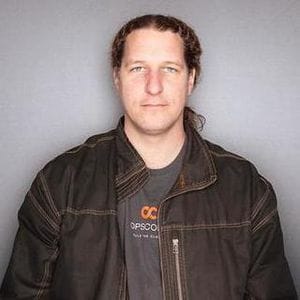
Ben Rockwood and his wife Tamara started Bainbridge Island Press out of frustration — she was writing better and better work and getting nothing but silence from publishers. So they decided to get on the other side of the fence and find out why. Four years later he's designing books, sitting in working groups with Penguin Random House, and helping write an international standard for royalty reporting. He also rejected the show's opening question, which results in an interesting answer.
Topics & Timestamps
- Why he doesn't think of any of it as a cost
- The dinner in Harvard Square where the press was decided
- Why most publishers won't give writers feedback — and what they do instead
- The man with thirty years of handwritten poems in boxes under his bed
- Hybrid and vanity presses, described generously and then honestly
- Why he tells authors to publish before they think they're ready
- The economics of poetry, and why so many poetry presses are nonprofits
- Whether a regional name helps or hurts
01:28 Rejecting the opening question
02:28 Starting the company in rage
03:24 Harvard Square, and the decision to see it from the publisher's side
05:06 A reader and a writer, coming at books from opposite sides
06:48 What it's given back: being in a position to actually help
07:43 Why they answer every submission — and why most presses don't
10:09 The man who'd never read in public before
11:44 Thirty years of poems, handwritten, in boxes
13:02 Walking in knowing nothing, and why that was right
14:17 Learning enough to ask an intelligent question
15:15 Working groups with the big houses, and what publishers won't tell each other
16:38 How nuanced the industry actually is
17:34 Paper mills, high-art presses, and everything between
19:12 What's been disappointing
21:47 Why poetry is a tough space
22:34 Lots of poetry writers, not many poetry readers
23:44 What he'd tell himself, and what wouldn't have stopped him
25:14 Learning InDesign, and why poetry breaks every word processor
26:13 The Chicago Manual of Style, and the books already on your shelf
27:09 Write it down when you're a beginner, not when you're an expert
29:09 Advice for poets facing rejection after rejection
30:26 Hybrid and vanity presses — the pitch, and the reality
32:24 The people who want a book for their grandchildren
33:06 On being a gatekeeper
34:37 Chapbooks as a way to say yes
34:07 Thank-you letters for rejection letters
35:03 Authors as bands: make the album, tour, make another
36:57 Why poets keep switching presses, and why that stings
37:35 Chapbook or full collection — how they decide
40:34 Contest fees, and the poet's vice
41:54 Where a poetry press's revenue actually comes from
42:55 Why they chose for-profit over nonprofit
43:23 Copper Canyon, Wave Books, and where they want to sit
45:28 Quality first — and covers designed like album art
47:50 Whether "Bainbridge Island" helps or limits them
50:58 Prose, memoirs, and possible imprints
52:50 A real Tuesday: printers, proofs, royalties, letterpress
57:06 Five kids, a nightly fire, and a wall of book covers
59:54 What's next, including an international royalty standard
1:01:33 Is it worth it? Tech aged out. Books last.
Transcript
Ben Rockwood: being able to produce things that will last, that mean something to readers and to writers. It it matters a lot. And especially after spending years and years in tech, I've done I've done amazing, incredible things as an engineer in my career, but they all aged out. Like nobody really cares now. there I have pages and history books of things that I've done that were a part of the history of computing. But those things are long gone, you know? It's just like all the old devices, you know, in a box in your garage. They're amazing at the time. Where do they now? Kind of footnotes in the pages of history. So being being linked to something where I feel like almost everything that we do has some type of long term significance that really matters to people, matters to art, matters, you know, to the aesthetic of of the world. Yeah, it's it's very, very satisfying. Very, very satisfying that every project we produce, I can at least walk away and say, I did something. I can I can no matter what happens tomorrow, I can step back and be like, I was a part of that.
Terry Heath: this is Terry Heath and I'm here with Ben Rockwood from Bainbridge Island Press. the opening question What has your life in books cost you?
Ben Rockwood: Yeah, you know, it was a fascinating question. I spent a bunch of time pondering this. I rejected the question. and I'm like, boy, I'm being like combative right off right off the bat.
Terry Heath: Yeah.
Ben Rockwood: Like, what's with that? Nobody likes that guy. but I realized, you know, you and cost. It's very interesting because, you know, I actually looked up cost in the dictionary. And and indeed, it has sort of a negative connotation. And I realized, you know, I don't I don't think about it in that way. I approach it very differently. And I'll jump right in to sort of kind of to illustrate why. you know, we started we like so many like great endeavors, I think, in the world, we we started the company in rage. we were really frustrated with the world of publishing from my wife Tamara, co-founder. Her experience getting published and getting into the the world of books was a difficult path and there weren't a lot of answers. And she was creating better and better and better work and just was not having a lot of success. And moreover, I'm very feedback driven. I'm a systems thinker at heart. And so every time there was a rejection or something didn't come through for her, my immediate was like, well. What did you do? And what did they think? And how can we learn more? And how can we, you know, improve what you're doing so that, you know, the next time you can get a little better, you know, and kind of using the kind of sort of Kanban technique and Kaizen technique. And it there was it's just silence. Just silence. and it was just so frustrating. And so we were in Cambridge when Tamara walked and got her her master's from Harvard. And we're sitting there in a restaurant celebrating there in Harvard Square. It's very posh. We're surrounded by academics everywhere. You know, we're just on cloud nine and just like, and you're not getting published. What what's going on? And we said, you know what? There's only one way we're gonna figure out what's going on. We we need to get on the other side of the fence. We need to see it from the publisher's point of view and understand what's going on and and and why things are the way they are. Because clearly no one's going to tell us. And so that we sort of resolved right there and then, and and that's sort of where it took off. And so we entered publishing really from this very curious place of trying to understand the journey that the writer was on, and then understand what are the business aspects of it from a publishing standpoint, so that we could sort of ultimately put them together. And and so all along it's been this fantastic journey where I I almost don't feel like there's cost because every single step of the way has been a learning opportunity for us to to better understand the the world of publishing, to understand the various types of writers out there, where they're at, where they're going to help them craft their careers. And we've just sort of gone from strength to strength to strength and gotten deeper and deeper and deeper down that rabbit hole over the last four years. And it's been an incredible journey. And so certainly there have been costs. But we really we don't we don't think about it in that way in that it's just been this incredible journey of of discovery and it's been fueled by by passion. And so I don't feel like it's cost us anything, but I think it's been extraordinarily fruitful for us.
Terry Heath: Mm-hmm. but your involvement with books didn't start with your starting the press. It it was before that. And there were probably costs there, the costs of not getting published that that drove you to start the publishing company.
Ben Rockwood: looking further back at sort of where it started, I've been a voracious reader since I was a kid. So's my wife. But then she sort of grew up on on the side of of of being a writer and approaching literature and and and books in general as as a writer and creator, whereas I've been an unabashed consumer of them. for years and years, you know, for over twenty years in in business, I was a voracious reader of, you know, self-help and business books and theory and texts and you know, I've got all manner of stuff back here. certainly, you know, love everything about the book. Owning the book, having the book, appreciating the book, you know, gleaning information from the book. and so then coming to it as a as a publisher, Tamra brings all that energy as as a writer. And I bring all that energy as as a reader and I I think it comes to put us in maybe a a a very unique place. as well as the fact that, you know, as husband and wife, we have sort of a shared aesthetic and each of us have developed on our prospective sides of of books together. So we we kind of, you know, have that perfect sort of fifty fifty, she's got half, I've got half, and together we come together as a really incredible whole.
Terry Heath: Well then let's jump into the second part of the question. What's it given back?
Ben Rockwood: I think I mean what it's what it's what's given to us, I mean, obviously, you know, we we we we've enjoyed books, but particularly becoming a publisher, you know, one of the things I we appreciate most about let's say authority in general, is the fact that it puts you in a position to be able to help others, right? When you're in in in the trenches with everyone else, you can commiserate, but You know, what what are we gonna do? We can share notes, right? Now we're in a position where we can actually affect change and we can benefit authors and we we have something sort of to to offer. and so it's great to not just be a consumer of books and the publishing industry, but to actually be in a place that we're contributing to it long term, right? And we're helping build people's careers, we're helping to give them the opportunities that Tamra didn't have and that I, as as her loving, supportive husband, was frustrated that she wasn't getting. And so every single time we get a submission, Tamara reads it thoroughly and responds with something thoughtful. And anytime she gets frustrated with somebody, I'll just be like, remember, this is remember when this happened to you. I was so mad as your husband that this happened to you. Let's not do that to this person. yeah, okay. All right. And you know, it's tough. And we totally we s you know, we we did in fact get the answers to our questions. I mean, one of the reasons so many writers don't get feedback from publishers is because of concerns of liability, right? What happens if the person instead of saying, Why, thank you, publisher, I didn't realize that my writing was such and such or that it wasn't appropriate for your house. And so I appreciate that feedback. No, you get you know, a lot of people will tend to get argumentative and defensive. And they want to make a case for themselves. And you're like, this is not this is not a trial. I'm trying to help, you know. And so we found, you know, for a lot of a lot of presses, that's where that comes from. They they just they don't need the hassle. And so rather, you know, they pass up clear opportunities to help writers improve because of of expediency and concern of litigation or something like that. And we've made a conscious choice to to bear that in mind and and to know exactly what it feels like to be on the other side of that and and to try and give them you know, something useful and also to be able to create avenues for people to contribute in different ways. You know, we started a whole series of digital chat books because there was so much work out there that we thought was really interesting and creative, but it it wasn't a collection for one reason or another. And we needed to come up with a something that was low cost for us and for the writer so that we could get more work out there. Right. And again, you know, creating those opportunities for for people. So that we could give them something that we ourselves wish we had been able to consume and to be able to ultimately create the kind of poetry and launch it into the world that we want to read.
Terry Heath: So tell us a story about the change that you said you're you're able to make changes in people's lives now. Give us an example.
Ben Rockwood: so many examples. well here here's one of one of our our early ones. was very nice and very dramatic. good good cinematic story. we were at a local poetry reading and there was an older gentleman there who clearly had his his significant other next to him and and she sort of like at one point sort of like no just don't like you go, go, go, go, you know, and he like and he gets up. And he's like incredibly nervous. and he kind of gives his little disclaimer. I don't know if I'm any good, you know. I've never read in public before. This is my first time ever, but I was told I should come read. And so he gets up there and he reads three poems. And we just you know, I mean it was just like like you know, like the Maxwell tape ad or whatnot, you know, it was just like everything he was just so powerful and just so heavy. And we were just amazed at at what he had produced. And then he sort of sheepishly gets off and just like, I guess I blew it and nobody liked what I did. And so after it was over, like kind of like in the movies, like I ran out to him as he was walking to his car, like with my business card. Like, You gotta call me, you gotta call me. Do you wanna do a book? Do you wanna do a book? I wanna publish your book. Like based just on those three poems. We're doing a book. and then he comes the he was, of course, completely flabbergasted. And then he's like, Well, nothing's actually like in computer files. It's like I have boxes under my bed
Terry Heath: Mm-hmm.
Ben Rockwood: of poetry written by hand, just in boxes that I've been writing for like thirty plus years. And we're just like, It's fine, it's fine, it's fine. We'll figure it out. We'll figure it out. Don't worry about it. And boy. Transcribing somebody's handwritten poetry for an entire collection is
Terry Heath: Yeah.
Ben Rockwood: is a job. not one that we'll probably ever do again. But but it was incredible to to take somebody who was just this un unsung talent and to be able to sort of realize a dream that he wouldn't he wouldn't even have imagined he was going to do a book and be able to to to give that opportunity to him and then be able to share that with the world. And you know, every time we go and do an event, when somebody comes up particularly, you know, guys who come along who are just like, you know, I don't really like poetry. Like I'll open his book to a couple of poems and be like, Tell me, tell me, tell me you don't like this, you know. And just watch them be like, Wow, I didn't know poetry could be like that, right? And see them really connect with it. yeah, it's just it's so gratifying. It's it's those are the sorts of experience you're like, Yeah, this is why we do this.
Terry Heath: What do you think was going to happen when you started Painbridge Island Press? Did you have expectations? Were the expectations met?
Ben Rockwood: we well, like I said, because of the pers the the way that we walked into it, we walked into it, I think, with with with the best possible sort of approach, which is we realized we knew absolutely nothing. you know, Tamara had had had been writing for a long time, but she hadn't been an editor, she hadn't done acquisitions, she'd done a lot of submissions, but she hadn't done acquisitions. she had done a lot of like poetry journals and other things like for like community things that she'd helped out with. So she kind of like dabbled her feet in the water. I wasn't a book designer. I didn't know InDesign. you know, but I've been sort of a designer, like a graphic designer as a as a hobbyist for a long time. My career was in technology, and one thing people don't accept is artistic engineers. Right. Anytime you're like, I could design that, they're like, You're an engineer. You don't do that. And I'm just like, I wanna I wanna be both. No, you're an engineer. so it was a way to sort of bring these passions together and and we just walked into it like we know nothing, and that's exactly how it should be, and we're gonna figure it out. And just, you know, we started out just figuring it out step by step by step by step. And then when we got to a point where we sort of knew enough to ask questions because there's a point at which you don't even know enough to ask an intelligent question, right? Once we got to the point that we were like, we knew just enough that we could actually ask intelligent questions. It's like, you know, Tamara like went to AWP, was here in Seattle. She went to AWP with the express intention of going around and talking to everyone, being like, tell us how to be a publisher, you know, like what what do you do? How do you do this? What do you This I gave her like a list of questions, you know, she came back with a bunch of stuff and they were like, Okay, figure that out, figure it out you know, just step by step by step to the point that you know, now we've gotten to a point where, you know, we've got a good backlist. we design great books, we have three-prong sort of strategy in terms of sort of how we approach. We're working with bookstores all over the place. I've become heavily involved in BISG, which is the industry organization that actually sets standards between all the publishers. And whatnot. So now I'm like I'm in like working group meetings with like Harper Collins and Penguin Random House and and all this. And so we've kind of we've gone sort of the whole breadth of the of the journey, learning and still learning like every day, how to get better at it, how to better understand it, how to better integrate things together. Because one thing we found is that publishing is a is a space with so many unique personalities, but most of them come from the the bookish side. And they don't they they're they're generally very nervous, just like they don't tend to share a lot with r submitters, they also have a tendency to be a little nervous about sharing with each other how they do things because you know maybe they're doing it wrong. And even if it's wrong, that's how they're doing it, right? So they should keep doing that. royalties are a great example. When you start asking people like, what do your contracts look like and what royalties are you giving to your authors and stuff? People are just like, you know, you know.
Terry Heath: Yeah.
Ben Rockwood: It's like, no, I want to know I want to make sure I'm doing it right. And they're just like, probably fine. You know. so it's just it's been a fascinating journey and to be able to to sort of take that curiosity and then reach out to other people and then have them go, Yeah, I'm curious about that too. And I've been publishing for twenty years and and I just never thought to ask, you know, it's it's been really cool.
Terry Heath: What's been surprising?
Ben Rockwood: What's been probably I think most surprising is how nuanced the industry is. There are all kinds of booksellers. There are all kinds of publishers. And I know that sounds obvious and trite, but have you ever heard of the Dunning-Kruger effect? This is where like the less you know, the more the smarter you feel. the more you know about something, the more you realize you know nothing, right? So You get to that point where you ask the like the master cobbler, how do you make shoes? And they're like, Well, you take a hammer and you like this it's gone to a point where they can't even conceive of all the complexity of it. But when you're when you're brand new, you know, you make one pair of shoes and you're just like, I know everything about cobbling. I'm a genius. yeah, I mean, as we've gotten further and further down the road, you start to see this nuance between all the different like I've got like now this like big chart. Where I actually have created subcategories of different types of publishers. Like there are publishers out there who they're called paper mills. Like they just publish as fast as much as they can, right? everything is just just churn it out, churn it out, churn it out, churn it out. We sell fifty copies of a book and that's it. That's fine. Just churn it out, churn it out, churn it out. There are other ones that are high art and have really high bars and they are low volume but care very much about what they're creating. You've got, you know, the nonprofits, the for profits. You like there's just there's so much diversity. and then you see the same thing on the bookseller side, right? I'm I'm sure you've seen this too. There are different people running bookstores for very different reasons. And they might all kind of look a little bit the same. But when you really dig into the heart behind it, like what why did you start the bookstore? What do you what is you know, what is that person coming through the door? Are they s somebody who's buying a product? Or are you selling knowledge? Are you selling an experience? Are you excelling entertainment? Like what w why, you know, what's the passion behind the the the venture? There's there's a myriad of of different reasons out there as well. And so it it's I I I know we now kind of get to look at the entire industry, writers, publishers, booksellers, and and printers, even as well, with this. much more nuanced eye and to get to see this like incredible tapestry of of everyone that's that's out there.
Terry Heath: Has anything been disappointing, not what you wanted it to be?
Ben Rockwood: Yeah, yeah. certainly, certainly. you know, w with the idea of the different types of publishers, there are we know, we look back now and I'm like, if we knew what we knew now, you could have gotten published every week. We just we didn't know when you were submitting, you were just submitting to different places that look like good places to submit. We didn't appreciate that that one's cheap and doesn't care and that one is, you know, high art. And like we there's and then and then realizing like, yeah, there's some people that are just churning out the slap. and then, you know, with like now with AI showing up, seeing some people who are really embracing that and they're just churning stuff out to just fill, you know, Amazon or whatnot with content. yeah, I think, you know, anytime you're somebody who's deeply passionate about something, you really care about it as as art, it it it can be a little frustrating when you start to realize just how many people are out there who who don't. And it's not to say that they're just, you know, people who are just like slinging stuff to make a buck. they have their own reasons. But that that can be really disheartening, you know. And then and then the downstream effect that there are all these writers who are kind of suffering because of this and they don't realize what's happening. Like they're feeling the effects, but they're not they're not understanding why. Right. It's it's sort of like walking around in a room with the lights turned off. You know, you can you can feel all the things around but you're only getting the general shape, you know.
Terry Heath: What's what's something that n nobody warned you about that you found
Ben Rockwood: Like I said, we came in so so so unprepared that there wasn't too many. I think there were some general things of like this is how many books, you know, the average book sells, or there were a couple of things like that that that we we thought were general truisms that maybe weren't necessarily so Yeah.
Terry Heath: there's something that you find people don't understand about what you do with publishing and or publishing poetry and specifically.
Ben Rockwood: Poetry is is is tough. Poetry is tough. Poetry is just a t a really, really tough space. like for one hand, one of things that we probably should have known but didn't was how many non profits there are in poetry and why. So, I'm a good solid capitalist. And so I was like, we're going to do a for profit business. And and the idea was that in my understanding of capitalism, not in some Marxist sense, but like in in the true sense of capitalism, the market speaks, right? So if I'm making something good, people will want to support us and they will buy our books. And if we're making crap and it's just trash, nobody will and we won't sell books. And the the market was sort of will dictate. And we were sort of like, we're willing to put ourselves at the at the at the whims of of of the market. You know, a a lot but there's not a lot of poetry readers, right? And a lot of there's fewer all the time. Conversely, there are a lot of poetry writers, right? And we found that not even all poetry of writers read all the poetry, right? So you've got a lot of people submitting. But not a lot of people buying. And everyone wanting to get more movies have sort of promised us, you know, fame and fortune. And unfortunately, people don't don't appreciate just how little money there is in books. Because of course the times we celebrate are, you know, the big authors who get the massive advances on the massive deals and go and sell a million books, right? And that doesn't happen very often.
Terry Heath: What do you know now that you wouldn't want to tell yourself before you started because it might make you not have gone forward?
Ben Rockwood: That's a good question. I don't I don't know. I don't know that there is anything that that would have stopped us. Again, because of the f the place that we came with so much curiosity, if we had told ourselves something in the future of just like, you know, you know, the margins are even smaller than you think. And you know, royalties are even w way more complicated than you could possibly imagine. And, you know, contracts are gonna be, you know, like Very few lawyers know anything about publishing contracts, but a bunch of them think they do. And they will lead you astray and cost
Terry Heath: Mm-hmm.
Ben Rockwood: you a bunch of money. I mean, there's all these sorts of things I think that we could have told ourselves to to sort of dissuade ourselves in the future. but I think we would have still come at it a place where the curiosity be like, No, I don't believe you and I'm gonna figure it out, you know. So I think we would that would have only s you know, spurned us on even even harder.
Terry Heath: Well then what would you tell yourself?
Ben Rockwood: Maybe, but like in a lot of like little areas. Like I don't I can't think of like one that's like overarching and sort of that like, you know, you know, sort of stoic philosophy, like, if you if you do this, my child, you shall go forth and prosper. You know, I mean, there were things like it took me a year probably to actually wrap my head around InDesign to do book design. I mean, I was a pretty good, you know, graphic designer, but like I didn't know InDesign and just wrapping my head and it's not like necessarily a hard program to use, but like learning how you design a book with it. There were not really any courses out there about it. Most of what was out there about InDesign were things that were more about like, you know, newsletters or long form pros or you know magazines, things like that. And so the way that you design a book for poetry is very, very different. right. I mean just to give you an idea. word processors in general, any kind of software out there thinks of a line ending a a line ends and a new paragraph begins. Well, in a poem, every single line, according to InDesign or Word or whatever, is a separate paragraph. Right. So a bunch of these things that like help you suddenly fight against you when you're doing poetry. So there are places like that where, you know, there were a couple of books and things out there that That as a publisher, I probably wish I had, you know, taken more stock in. I think actually one of the the simplest books that had been on my shelf the whole time and I wish I had opened it more would have been The Chicago Manual of Style. it's a it's a book where as a writer you sort of, you know, you turn to it once in a while and you flip here and there. But like as soon as you become a publisher, all of a sudden you start at page one and you read to the end. Like there's so much depth in there that like as a writer, I I just I thought of it as as a useful text for somebody writing and editing, not as as a book designer and publisher. And I wish I had more fully appreciated that. So, you know, there's always that like sometimes all the things you need are around you and you just don't fully appreciate how much they can help you. And like any sort of time you're acquiring skill, it's it's challenging when you talk to somebody who's much more experienced or been doing it longer because there's now so many things they take for granted. And so one of the things that I've I've done a lot of training and teaching and and and conference talks and whatnot over the years, mostly in technology. And something that always benefited me was the best time to write or describe anything is just not when you're an expert. It's when you're a beginner. The pro as you're learning it, as you're figuring it out, that is absolutely the best time to write it down and share it with the world. Because Guess what? Your reader is a beginner too, and they have those problems too. The expert, those problems are so far removed and so long ago and now seem so trivial and irrelevant that they don't include it. So, I mean, how many times, you know, have have any of us like read a book that was an introduction to such and such? And you're like, I'm not getting any of this. And when I try to actually put it into practice, none of it's working. Right. And obviously the guy knows what he's talking about. But I can't follow a lip of it. Right. It's because of the fact that they're so far removed from those beginner problems. So we we really like to keep that in mind and everything that we sort of produce and the way we think about things is kind of comes from that that like help people get over those early hurdles, you know, because we ourselves know exactly what those are. You know, anytime you can come from a place of of empathy, just makes everything better.
Terry Heath: Speaking of beginning, you you said that if you knew when you were trying to get your wife's poetry career started, if you knew the things you know now from the publisher side that you could you could have done it, you could have gotten her poetry career going. What are some of those things that you could pass on to somebody who's trying to do poetry?
Ben Rockwood: Yeah. I don't wanna name names. But
Terry Heath: Ha ha ha.
Ben Rockwood: there there be aware that there are definitely presses out there that that will will take you. And there will be trade offs. The quality will be low. the amount of assistance you get from the publisher will be low. But like there are places that that will publish you no no problem. And if you're getting rejection, rejection, rejection, then either something is very wrong with your writing and you need to, you know, seek out the opinion of others, and listen to them, which it's easy to to just sort of get compatible with that and then continue to s see rejection, or to find, you know, presses that that will in fact have sort of be willing to take a chance on you and and and that assumes that you want to go traditional publishing. You know, now there are so many avenues for self publishing that there's no reason for anything not not to be published. the one thing I would advise people against is there is a there's a middle ground, right? Self publishing means I go to Amazon KdP or I go to Ingram Spark or I go, you know, to any number of these generally POD places and I upload my file and it gets formatted and I throw a cover on it and they print it off you know, one copy at a time and it ends up on all these doors and You know, the barriers like so low, which is great. you know, on the other hand, you have traditional publishers, right, where you submit to us and we review and eventually get back to you and you know, sign contracts and advances and all that stuff. There is a middle ground that is pr I think predatory, which is called hybrid or vanity presses, right? And those are the ones where I'm gonna I'm gonna couch this in in the positive way they spin it. That'll give you the negative. The positive way they spin it is look. We're gonna publish your work, but it costs time, money, and energy to produce it. And we're not going to bear all that cost. So, what you're gonna do is you're gonna pay us two or three thousand dollars, and then we will edit your book and we'll create a cover and we'll do the interior design, we'll do the cover design, and then we will send it out for printing and all that, and then sort of hand it over to you at the end as sort of a self-published thing. or we'll give you like a nice big royalty cut, you know, much bigger than you get traditional publishing. And you'll get it out the door. But as a result, you're gonna pay a bunch of money. And that's just because, you know, we're taking a chance and you're gonna split the costs with us, right? The negative way to put that is that shit's a scam. And they're taking advantage of you because their incentive structure is to get lots of authors to pay them lots of money and they could give they they could care less if they ever sell a book because they already made their money, right? There is I mean, there is a place for that. There are people who self-publishing means you do it all yourself and it's just too much for them. And so they they want somebody to help them out. And y you'd be amazed. Maybe you wouldn't, I don't know. But I was amazed by the number of people who've come up to me and said, I really want help getting published just because, you know, I'm gonna die soon. You know, people are a little older and I wanna leave something to my grandchildren. I wanna leave something to my legacy. I wanna I wanna publish a book and I know it's gonna sell five copies. To my family, but it's important for me to do that. Right. And and for those people, it's like, okay, you've you've got some bucks in your account, you know exactly what you want to do, and you can walk into like a vanity hybrid press knowing exactly what you're getting and not get scammed. But there are some people who unfortunately get whipped into things and and spend a bunch of money and unfortunately just get taken advantage of, which is I I don't I think it it does a b besmirches the entire industry, I think. But yeah, hey, there's all types.
Terry Heath: Yeah. You've sort of stepped into a gatekeeper position as a publisher. How do you see your your role as a gatekeeper?
Ben Rockwood: My door is wide
Terry Heath: Responsibilities or
Ben Rockwood: and tall and awesome. And you should definitely come to my door. yeah, like I said, you know, because we we look at everything coming our way, we're thinking about it from the standpoint of the reader and from the submitter, and we want to do right by both. we, you know, like on submissions, if we reject something, we get you know, we send feedback back, we we send a bunch of, you know, notes and stuff. it is amazing the number of teary, heartfelt letters of appreciation we've gotten from rejection letters. Like, we've gotten a lot of people who are just like, that is the most useful advice I've ever gotten. And nobody's ever given me this level of feedback on my work. And I'm so incredibly grateful. And hopefully one day I'll be ready for you and I'll come back, you know. And when that happens, we're like, yes, that's that's what she should have gotten all those years ago. That's exactly what we want. but we we also we you know creating different avenues for for publishing work, you know, we explicitly have through our chat book program, we have the ability to turn out work that is maybe a little edgy, maybe isn't ready, maybe it's experimental, but we think there's something there and it deserves to be in the world. And let's let's get it out to the world, right? It doesn't cost us much, it doesn't cost that much, but it's an avenue to get them. I like to think of of books very similar to you know to authors very similar to like music bands in in the sense that a lot of people will sit there and work, work, work, work, work trying to find like the perfect book. But it's like you don't want the Beatles to create the perfect album. You want them to create an album and then to go tour and then to do another album and then to tour and another album and to tour and to do another album. Because you want to see that evolution, right? You want to see that progress, right? What were they like in those early Bebop days? And then how did they get, you know, with their rock and roll? And then how did it turn into the more experimental stuff in the end? That transition and evolution is, I think for a a real music lover anyway, is is is what we what we we love to see the the forward and backward. And you know, we wanna. So I'm always trying to encourage authors, like you need to be publishing before you even think you're ready. There's just like stop working for 20, 30 years or whatever on that manuscript. Get it out there and then move on, right? That, you know, in terms of the sort of the gatekeeping thing, right? Like, let's put that post in the ground. Whatever kind of writer you are, done. On the page, into the world. Now you as an author, you're moving on, right? That's behind you. That's now the past. Now you're free to open your mind to what you can be next. What's the next step? and for a lot of writers, until they get that book out, it's they're still working on it. I mean, as a result, it's also you'll notice a lot of debut novels are some of the most, you know, powerful novels there are because the person's literally been working on it for 20, 30 years. and then like their follow-up novel won't be nearly as good because guess what? They worked on it for two years while doing a book tour. They weren't, you know, they didn't have all that time. but yeah, I I I always want to get people out there, you know, publish, publish, publish, get out there, put it down, move on and and evolve and grow. And I think my the saddest thing for me as a publisher is that in prose, normally as an author you find a publisher and then you have a relationship where they then get like, you know, first write a refusal or whatnot on the contract, and and the author tends to stay with that press throughout, you know, most or all of their career in some cases. In poetry, each time you're published by a different press, it's seen as like a mark of like of like approval, right? And so they tend to like they'll publish a book with one press and then they want to get it published by another press and then another press and then another press because they want to hot presses so they can be like, Yeah, I was published by them and them and them and them and them. Like they're building a resume. And as a publisher, I'm just like, No, I love you. I want you to stay here with me. Don't go, don't leave.
Terry Heath: How do you decide between if somebody should do a chap chap book or a traditional book?
Ben Rockwood: The first is length. the first is length. So chat books have a have a tendency to be between you know twenty to forty, sixty pages top, whereas a full length collection is gonna be, you know, 70 to 120 pages, right? So, you know, broadly speaking, 60 pages versus 100 pages. but the other though then is the the level of completeness, right? Chat books can be sort of incomplete. I normally I like to I like to a a lot of chat books will one day grow up to be full collections, but they're just not fully baked yet. we encourage authors who have something that's in the works but maybe they're not quite sure about it. Like publish the chat book, let people see it, give you the feedback and then based on that actual published, like it's out there sort of feedback, then that can help inform what you're gonna do for the full size collection, right? Kind of as like a pre Press sort of thing. other cases, it's just, you know, weird forms. we had Don Orfeo we published, which was like a a retelling epic poem that was set in Florida, that was just incredible. And that's the sort of thing probably just it just it was fun, it was interesting. Probably not gonna sell a lot of copies as a full size collection, but as the chat book, we can get it out there and really celebrate it. so yeah, there's a whole whole variety of reasons that might not be ready for a full size collection yet. And and then the other side is the the unfortunately the economics of it. Of we we can produce about four at our size, we can produce about four collections per year. Right. I mean a full-size collection ends up taking usually six months to actually produce. And of course, I mean we're doing multiple things. We also have a journal that we're doing and all that. And so We we just can't there are books that we like, but just like we can't put six months in into this into this book, unfortunately. It's just not gonna be there. So then you know, the chat book avenue allowed us to open that up s with the some work that was like breaking our heart that we're having to say no to because we just couldn't put six months into this thing. But you know what, like if you d if you don't mind bringing it down a little bit and going for a chat book, which is not as prestigious, right? But we'll get it out there, you know, we can have you out in a week, right? 'Cause it's just low, low lift. And so It ends up being sort of a win win for both of us for those things that sort of unfortunately would normally fall through the cracks. We don't have to feel as as bad that we had to like just say no when when we really wanted to say yes.
Terry Heath: I've heard that there's kind of a path if you want to be a poet of merit, that you start out with contests and winning awards and things before you even worry about a book. I you don't see it that way, or is that is that still kind of a thing?
Ben Rockwood: I don't.
Terry Heath: Yeah.
Ben Rockwood: No, I don't. I mean, yeah, normally you would start off submitting individual poems into contests and and journals. and most poets, honestly, that's where they stay forever. that's also I think it that actually can be really predatory. that's one of the things that bothered me. You know, it's funny, the the the the poet's vice is hiding from their significant other the amount of money they spent on fees every month. submitting to things, you know. you know, hey honey, where did that $300 go? No, never mind, never mind, never mind. Never mind. Do you want to go to
Terry Heath: Yeah.
Ben Rockwood: a ball game? Do you want you want to go to a concert? Go you go go spend some money. You can do whatever you want. You know.
Terry Heath: Ha ha.
Ben Rockwood: because you know a lot of these a lot of these contests and whatnot are that are out there, they'll charge you twenty thirty dollars for for for submission reading fee and then they give you a copy of the book. To some degree, like, you know, essentially what you're doing is you're pay you're prepaying for a subscription and then maybe they'll publish you, which to me just feels terrible.
Terry Heath: Yeah. It almost sounds like a multi level marketing scam, you know, the the bottom of the pyramid.
Ben Rockwood: It does. And I yeah, and I understand it. I mean the people would be shocked how little revenue comes, particularly in poetry, from from book sales. like I I think I I I think the numbers are public on the second says, but like even Copper Canyon, which is one of the what we would call the big three of publishing, poetry publishing, less than fifty percent of their revenue actually comes from selling books. so yeah. Yeah, it's tough.
Terry Heath: Where does it come from then?
Ben Rockwood: as a non profit, most of it comes from donations, grants. They're big enough that like they get NEA grants, right? They get arts grant grants from like the state, from from the country, things like that. And that's one of the things that, you know, we could have done when we started was gone gone nonprofit. But if we gone nonprofit, we'd have to have a board and we would spend most of our time asking for money in donations rather than focusing on, you know, writing the kinds of books we wanted to to to produce in the world. So we made a sort of conscious choice not to go that way. But there's certainly there's certainly downsides. I mean, we make we we we have way less money than than anyone 'cause we don't you know, we we can only we only bring in what what we sell. we have to survive on on our on our own merits.
Terry Heath: Is there any publishing company that you sort of model after or emulate?
Ben Rockwood: That's great question. it's it's it's maybe changed a little bit over time. I mean, I would say my great inspirations w i in in in poetry publishing, I I really like to think of ourselves as being squarely between Copper Canyon and Wave. So Copper Canyon is up in Port Townsend. we work together with Copper Canyon quite a bit. they're on a facility called Centrum. They're in Port Townsend and Fort Warden. Tamra and I have been volunteers there for for quite a long time. We know a lot of the folks up there. And we have a great relationship with with Copper Canyon in the poetry community and stuff around. they're award winners through and through. they they know how to pick them, they know how to take them to the top. they're incredible. And then on the other side is Wave Books in Seattle. you know, one of the things I love about Wave is you can go into any poetry section of any bookstore anywhere. And twenty feet away, without the book facing outward, you can point at all the wave books on the shelves. You can find them just because of the way that they style their books. They're very aggressive. They're very I mean, it's a style that it's like you love it a lot, or you don't get it and you think it's horrible. I think they're gorgeous and beautiful books, and the amount of freedom I mean, sometimes, you know, as an artist, you look at somebody else's art and you're just like, I wish I could do that, but I don't think I could get away with it. Like I think if I made that, people would dislike it or reject it or whatever. And you see somebody else do that and you're like, I I wish I had the cojones to do that. That's so gorgeous. yeah, I I love what they do. and so yeah, if if if I can if if in the Pacific Northwest, Copricane wave and and we can be uttered in the same breath, that's that's really what I'm going for.
Terry Heath: Is there a look that you're trying to go for in your books?
Ben Rockwood: quality. Quality's the f the the top thing. We knew from the very beginning. a lot of the publishers that are out there in poetry produce just what we think are just ugly, terrible, nasty books. there's just not a lot of thought that goes into the interior design. The covers are just gross. I I could show you examples, but I don't want to throw anyone under the bus. But I I mean I think anybody who who reads poetry books will know that a lot of them You know, like Comic Sands does not d belong on a cover, you know, something where the clearly the author sent in some like really bad low res picture and they just made that the cover, you know. yeah, so bad. Like I I wanted something we wanted everything that we do to be absolutely top quality from the very beginning. So we put tremendous amount of time and effort into our cover designs and our interior designs. We make sure everyone is unique. I approach covers. I'm actually inspired by music, album covers, because I think book covers are ugly and terrible. and so like when we do, you know, a book cover, we're we're really, you know, like pushing, you know, into something that would probably look more, you know, at home on on a vinyl record, than necessarily in a in a poetry book. So we differentiate. And even like like when you buy a book from us direct, like I got bespoke packaging, you know, so our Poetics is our journal. And so we have a a defined style for for the cover that we use. and so I kind of mimicked that, right? On our on our packaging, you know, your poetry is here and all that. And we include all kinds of little goodies and stuff inside. Just every little thing that we do, we want to do the very best we can possibly do and differentiate ourselves from people who are just schlepping stuff out, you know. so quality, quality, quality in everything in in every way we possibly can is important to us.
Terry Heath: You you named your publishing company Bainbridge Island Press. Has that helped you or hurt you being a regional name like that? Has has there been any limitation because of that?
Ben Rockwood: Yeah, it goes it cuts both ways. It definitely cut cuts both ways. the the reason we did that is when we started the press, Tamara has been leading community events around the entire Olympic peninsula in western Washington for for several years, here on Bamberge Island and all around. And we wanted the press to to sort of we wanted to be able to put our stamp very much on on the region and extend what we were doing in terms of like events and and poet the poetry community to, you know, a full fledged publisher and resource and to really stamp ourselves on on on the island and bring sort of try to bring everything together. To us, collaboration is huge, right? Like we should always be working together. We don't like, you know, like I kind of we started off with, you know, costs, right? I don't I don't think of anything in winning and losing. or or pros or cons. It's everything is all about like how can we work together and get better. And if something is non ideal, it's a learning opportunity and we we we we use that and we get even better. So being able to to sort of s put our stamp on there definitely helped make it clear sort of our cohesive vision. it's amazed me the number of people around the country in the world actually who know where Bainbridge Island is. right. It's across the Puget Sound from from Seattle, that beautiful ferry ride across. we were AWP this this year. There's all kinds of people came up to us. It was like, I've been to Bainbridge Island. My aunt lives on Bainbridge Island. I I once, you know, took a trip over to Bainbridge Island, you know, which was like amazing. And and even people in Europe in some things. The the only negative connotation that sort of come out of it is we do have people, and this actually believe it or not, happens more at local events that we go to. Or is where people come up and say, so you only publish people here locally. So you're just you're you're a local publisher in the sense that you only publish Bainbridge Island or Kitsap or you know Olympic Peninsula poets. And the answer is like, no, we're a traditional publisher like any other traditional publisher. Most of our poets actually by share of geography, most of them actually are New England. So we have publishers from all over all over the country. in our express series, we have publishers from all over the world. so yeah, some people get that confused of like, you know, does it mean that you only service that area? No. And and I often like to remind them that Copper Canyon actually started out being the name of where they started, which was in Colorado. The
Terry Heath: Yeah.
Ben Rockwood: Copper Canyon got started in Colorado and then moved to Port Townsend in Washington. Later. And so they broke that relationship such that it no longer has any meaning. But at one point it did. They were they had the same problem.
Terry Heath: Now you're a poetry press. Do you see yourself doing prose at any time?
Ben Rockwood: Yeah, that's an interesting question. Maybe. so the w I mean the way as a as a publisher we would handle this normally is just that i in a in a sense your your name is also a brand that that affiliates line. So we would never want to dilute the Bainbridge Island Press brand. what we might do is we've had some people come along who wanted to do memoirs that maybe wouldn't be big sellers, but we feel like again they're like stories that belong in the earth, like they they belong in in the the the worldwide corpus. And I that's one of the fun things as a publisher is like if you think like what do we have that lasts you know that that we have across history. It's it's words, it's books. very little else really survives. certainly not in the way, right? We have Greek artifacts, but what does that tell us really about how Greeks lived? Their books and their stories tell us tell us how they live. And so yeah, being able to birth something into the universe and and make it stick is is is an important and valid thing. So to that end, we've thought about creating an imprint for for some of these things that we don't feel right under our name, but we might like to do anyway. So we might have some imprints come along in the future. I've even had some some interest from well, anyway. There's there's a c there's one, maybe two imprints that may. pop up in the future to feed those those demands, needs, desires. We'll see.
Terry Heath: Okay. So what's your day like? What's a real Tuesday when you're not recording a podcast? What's the not the press version, but what's what what's it like being a publisher?
Ben Rockwood: Yeah. so I mean we're involved in a whole lot of things. a whole lot of things. So, you know, we were doing the festival event right Saturday night. So that was cool. this the last two days, I've been off at a racetrack and now I'm working on some publishing software that I'm working with. I have like four different pieces of publishing software that that I'm working with, some mine, some others that we're working on and different standards with BISG. So I've been working on revamping our royalty structure recently. So a lot of work on on that, you know. we've gotten to a point where I'm now we're big enough now that I'm starting to reach out to some other printers for book printing that I previously hadn't felt were right for us, but now I feel like we're big enough we can go to them. So having meetings, I've got meetings all week long with printers that I'm gonna be talking to because we're at that point where like, we're just big enough to go with you, but you know, hey, we're not gonna do, you know, the 10,000 book offset, you know, run, you know, so how does that look? And then also like I said, quality of like how to, you know, working with different printers and different options in terms of how do we step up? what we're doing in terms of the quality, right? There's a lot of interesting things happening in industry, particularly around romanticy and the the cozy thing. So like sprayed edges now are like take it for granted as a necessary in that genre. We've played with some things like that in our books. And I was recently really moved by I just was reading the book about the start of random house and a lot of what they did to differentiate themselves in the in the early days was just better, better quality. I'm also letterpresser. I've been doing a lot of letterpress over the last year. And so I'm now rethinking like our books, like, okay, you know, what we've done is beautiful and incredible to to now. But also, where could we go next and how could we stand out on the shelf more? And how could we represent our authors that much better? And so I think a big a big part of like any any business growing, right, is constantly like running those daily operations, you know. right now I'm in between books. I'm actually waiting for proofs to show up on Monday. so until those books show up on Monday, I don't have to design any books right now, so I can just focus on some of this back end stuff and strategizing what could do better. And then next Monday, we get a a huge ship of shipment of books from from our printer. So all those are gonna go into to get to get mailed out that day. And then I've got proofs coming in on a different project, and then we'll go through and start, you know, line editing. copying that that that proof and making any final tweaks before we start sending out arcs and galleys and yeah, there's just all kinds of different irons and all kinds of different fires. But that's one of the things that attracts us to it is that this is you know, it's always there's always more to do and different ways to do it. I will say for Tamara, you know, she handles all the submissions and you know we are getting hundreds of submissions a day in some cases. So Going through all of them is definitely takes a toll on her. there are definitely nights where it's just like, You have to stop and I'm taking you out to dinner and we're gonna go drink a couple of bottles of wine. And then you can get back to it tomorrow.
Terry Heath: Yeah.
Ben Rockwood: Sometimes it's tough, but
Terry Heath: What kinds of things do you do to have that life work balance when you own your own company?
Ben Rockwood: Yeah. Tamra and I desperately love each other and have fun doing what we do together. So that that helps a lot. So that like work life balance of like I need to I need to have a home life and I need to have a work life and I need to somehow make those coexist while they're competing with each other because of the fact that we're a husband wife team, like a lot of that goes away. we're inherently aware of each other's aesthetics. Right. So we can catch each other, you know. So a lot of that like politic stuff that happens in small companies just doesn't really happen with us. Our board meeting happens every so we we both are working out of the house, right? And so every night we have a fire, nine o'clock, the kids all come in. We we have five kids, we sit down and talk as a family, have have fun, drink a couple of cocktails, and then about you know, ten, ten, thirty, they They go off to bed and then her and I sit there and shoot back and forth ideas. One of the things I did is in that room, every time we publish a book, I get a a big acrylic print of it. And so on our wall are all the covers of all of our books. And so that very much keeps all of them in mind. And and every time we work on a new project, we kind of have to, you know, we're looking there at that wall and we're like, is it gonna fit on that wall? Right. Like we've We've built an incredible backlist. We love the work that we've done. And does this fit with what we've done? And we'll go further. And and it also, there are plenty of nights I'm sitting there just kind of sulking, going, like, you know, I won't name names, but like, you know, there's one of our books that like it just didn't do very well. And it's an amazing book, you know. And so every night I just kind of stare at that cover and just be like, What do we have to do? We have to think of something new because the world. The world doesn't realize it wants that book, but the world will benefit, right? People will will love that book because it's a great book. And how do we how do we convey that message stronger or better and all that? You know, so obviously the ideas get more interesting the more cocktails there are.
Terry Heath: Ha ha ha.
Ben Rockwood: You know, at some point about one o'clock in the morning, it's like, I know we'll get a plane and a sign, and we'll drop leaflets. That's a great idea. Let's do that. You know, anyway, it's fun. So anyway, I mean it to the point of like work-life balance, it's like it's just sort of nicely integrated into what we have and it's a really unique situation and we don't take it for granted at all. We we're very thankful of what we have. And after so many years of me trying to support her and her trying to support me, but being in totally different industries, now that everything that we're doing is interlinked in some way and we're a part of it together, it's it's really cool. And I mean, who knows where life will take us next. Like there's a you know, I might end up going back into technology in which this will be like a side gig, rather than my full time, you know, endeavor. I don't know. We'll we'll see where the world, you know, where things take us. But for right now we're we're loving every day.
Terry Heath: So if it does stay your full time gig, do you know what's next for the publishing company?
Ben Rockwood: yes. Yes. yeah, I mean we kind of touched on a bunch of it. I mean, d number one is just keep going going along. Right now we're like I said, a a big thing on our mind is actually slowing down on some of our projects, which Tamar keeps finding really great work. that we want to get out there, but also I wanna just keep making each book we do better and getting that book into more people's hands. and so we're spending a lot of time trying to think about how to do that more effectively. Cause I mean, if we're producing books but they're not getting into sufficient number of hands, what's what's the point, you know? So we're trying to like really balance that. We've got a couple of ideas we're gonna go on. Like I said, there's a couple of imprints that might may or may not be of interest next year. that kind of takes us out of our field but broadens things up. and then, you know, I've been deeply involved with the industry now. So at at BISG, you know, I'm now part of a group that's helping come up with an in like an international standard for royalty reporting. so that's something I need as a press and other presses and agents and publishers need it. and so being able to inter you know, work with all those different organizations, to take something that we're doing local and make it of international significance is pretty, pretty awesome. So No no shortage of things to do or things that are gonna happen in in the next year. we'll just keep keep going.
Terry Heath: Is it worth it?
Ben Rockwood: Yeah, I mean to to me it's absolutely worth it. like I said, you know, long term books books last. books are here to stay. Once it's it's gone through, you know, also that idea of gatekeeping. yeah, a lot of p attention is paid to keeping people out of the gates, but once you're in, it's pretty great. And so being able to produce things that will last, that mean something to readers and to writers. It it matters a lot. And especially after spending years and years in tech, I've done I've done amazing, incredible things as an engineer in my career, but they all aged out. Like nobody really cares now. there I have pages and history books of things that I've done that were a part of the history of computing. But those things are long gone, you know? It's just like all the old devices, you know, in a box in your garage. They're amazing at the time. Where do they now? Kind of footnotes in the pages of history. So being being linked to something where I feel like almost everything that we do has some type of long term significance that really matters to people, matters to art, matters, you know, to the aesthetic of of the world. Yeah, it's it's very, very satisfying. Very, very satisfying that every project we produce, I can at least walk away and say, I did something. I can I can no matter what happens tomorrow, I can step back and be like, I was a part of that.